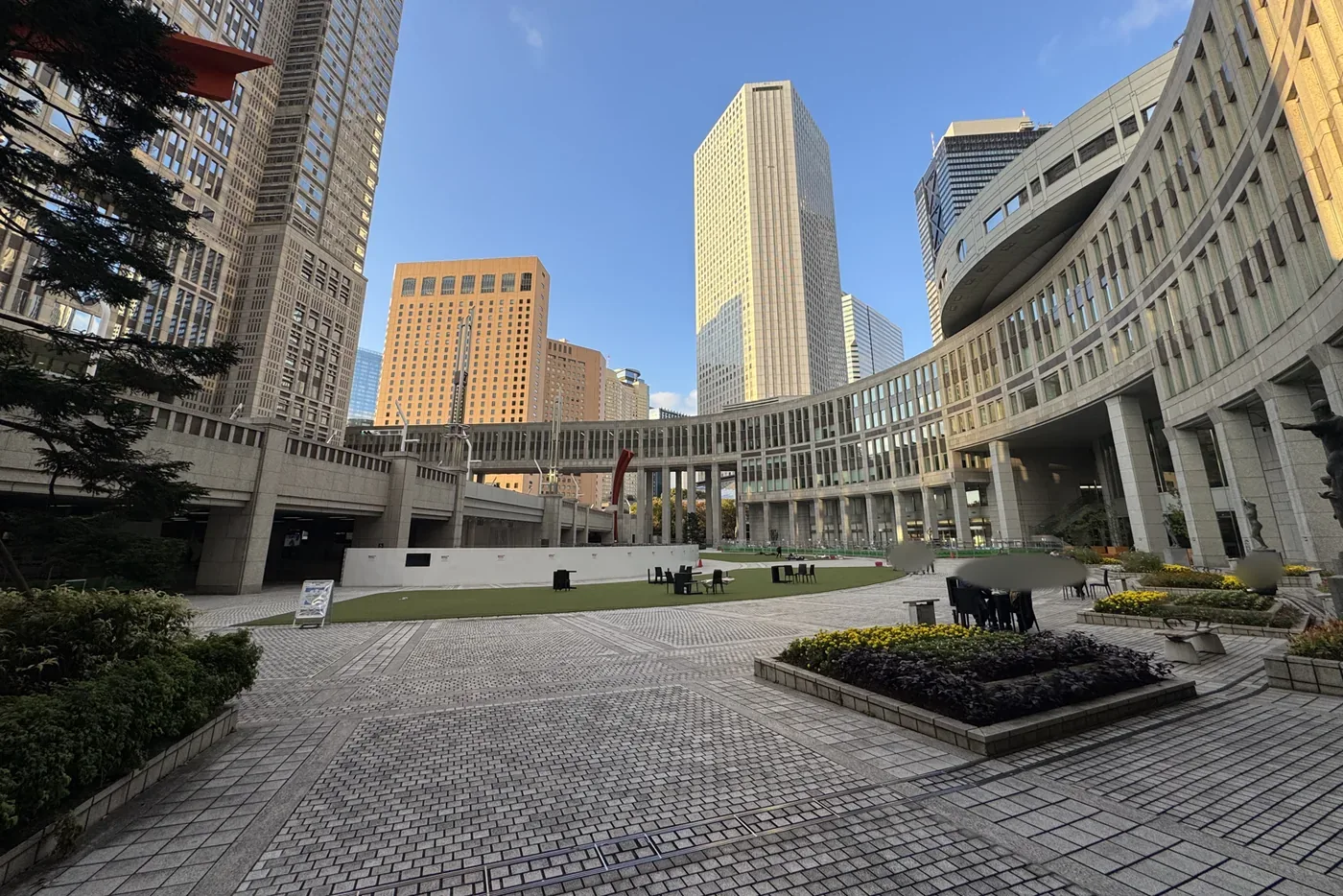
Tokyo Metropolitan Government Building Free Observatories: Hours and How to Enter | South vs. North Observatory, Projection Mapping Show Times, and the 32F Staff Cafeteria
This article explains the free observatories (202 meters above the ground) in Main Building No. 1 of the Tokyo Metropolitan Government Building: opening hours, closed days, the differences between the South Observatory and the North Observatory, and the entrance on 1F, using official Tokyo Metropolitan Government information and photos taken by the site operator. It also covers the show times of the projection mapping "TOKYO Night & Light," which you watch from Tomin Hiroba (Citizens' Plaza). Travelers can also use the 32F staff cafeteria. The article also explains its opening hours and the procedure you need when you go to the cafeteria.
Ad · Affiliate This article contains links to partner booking and shopping pages (affiliate links). If you book or buy through these links, the site operator may receive a commission from the partner. Our advertising policy
Overview
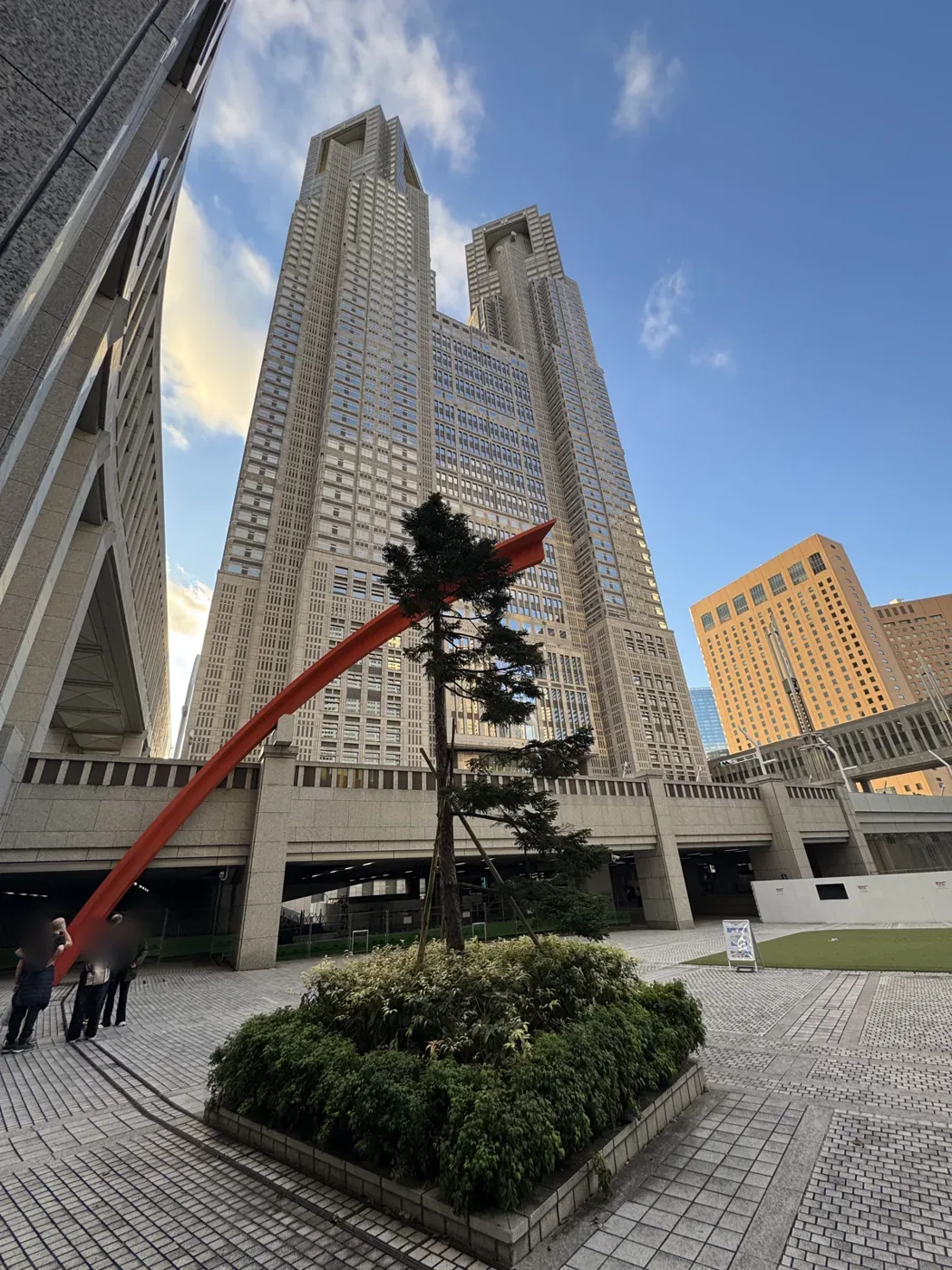
The Tokyo Metropolitan Government Building is the government office building of Tokyo, located on the west side of Shinjuku Station. On the upper floors of Main Building No. 1, there are observatories that anyone can enter.
- The observatories are free, and you cannot make reservations. There are two of them, the South Observatory and the North Observatory, 202 meters above the ground on 45F of Main Building No. 1.
- The South Observatory is open until night. The North Observatory closes in the evening, except on days when the South Observatory is closed.
- At night, the projection mapping "TOKYO Night & Light" is shown, projecting images with light and sound onto the east wall of Main Building No. 1. You watch it from Tomin Hiroba (Citizens' Plaza), the plaza in front of the building.
- The staff cafeteria on 32F of Main Building No. 1 can be used even by people who do not work at the Tokyo Metropolitan Government Building. It is open at lunchtime on days other than Saturdays, Sundays, national holidays, and the New Year holidays, and you need to complete a building entry procedure.
The floor numbers in this article are the same as the signs in the building. The ground floor is 1F.
Opening hours
Hours and closed days of the South Observatory and the North Observatory
| Observatory | Opening hours | Last entry | Closed days |
|---|---|---|---|
| South Observatory | 9:30–22:00 | 21:30 | 1st and 3rd Tuesday of each month |
| North Observatory | 9:30–17:30 | 17:00 | 2nd and 4th Monday of each month |
- When a closed day falls on a national holiday, the observatory is open on that day, and the next weekday becomes the closed day instead.
- On days when the South Observatory is closed, the North Observatory is open until 22:00, and you can enter until 21:30.
- During the New Year holidays (December 29 to 31, January 2, and January 3) and on inspection days of the Tokyo Metropolitan Government Building, both observatories are closed. January 1 is not included in the closed days listed by the Tokyo Metropolitan Government.
- On the first Sunday of March, when the Tokyo Marathon is held, the observatories are scheduled to open from around 11:00, according to the official information.
- The observatories may close suddenly, for example in bad weather. According to the official information, this is announced on the official X account of Tokyo Metropolitan Government tourism (@tocho_tenbou).
- Hours and closed days may change. Before you go, check the opening schedule on the observatory page of the Tokyo Metropolitan Government.
Differences between the South Observatory and the North Observatory
- If you want to see the night view, go to the South Observatory. On normal days, you can enter the North Observatory only until 17:00.
- The South Observatory has the "Tocho Omoide Piano," which anyone can play. You can play it during the following three time slots on days when the South Observatory is open.
| Playing hours |
|---|
| 10:00–12:00 |
| 14:00–16:00 |
| 19:00–21:00 |
- If you post photos or videos showing a person playing the piano on social media or elsewhere, get permission from the person playing before you post them. The Tokyo Metropolitan Government asks for this in its information.
- The North Observatory has a café and shop that sells drinks and light meals (CAFE&SHOP SOCOCOCO). The South Observatory has a shop (GIFT SHOP TOKYO Mikke!). Each shop is closed on days when its observatory is closed.
Getting there
From the station to the Tokyo Metropolitan Government Building
According to the Tokyo Metropolitan Government, you can get there as follows.
- Tochomae Station on the Toei Oedo Line: The station is connected to the Tokyo Metropolitan Government Building.
- JR Shinjuku Station: About 10 minutes on foot from the West Gate.
- Toei Bus: From the underground bus terminal at Shinjuku Station West Exit, take the bus that circles the Tokyo Metropolitan Government Building (Tocho Junkan). This bus runs on weekdays only.
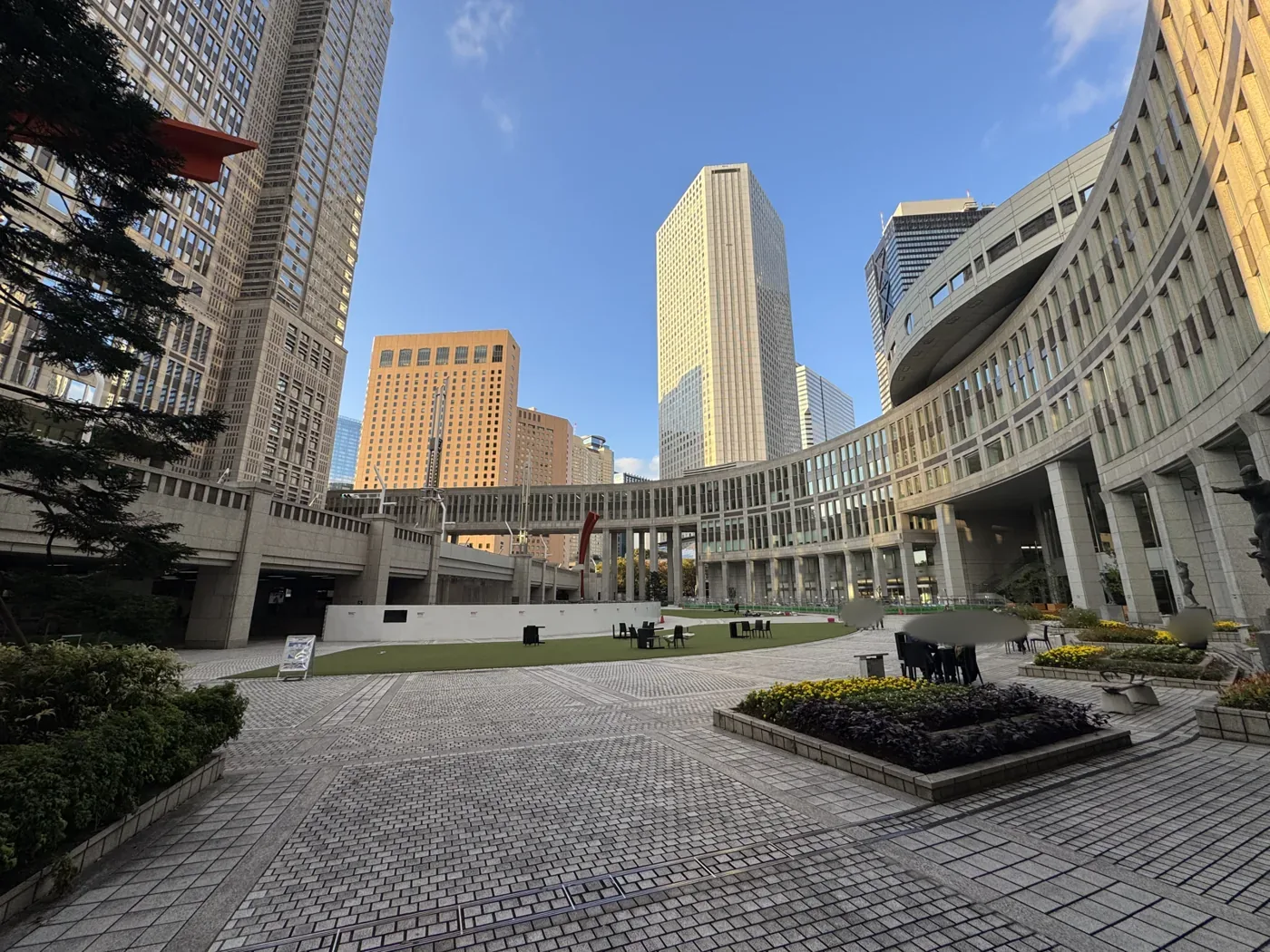
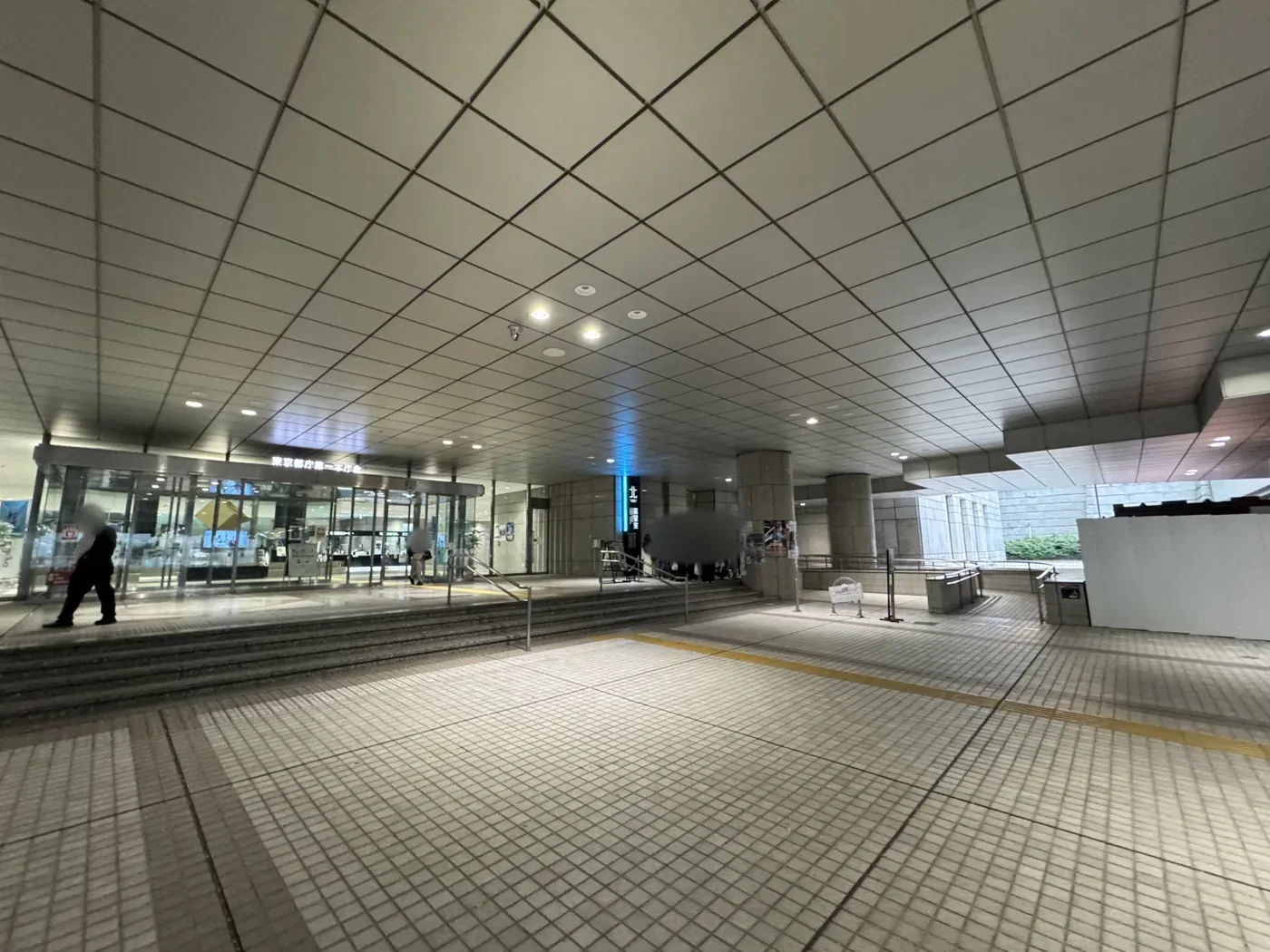
Around the Tokyo Metropolitan Government Building, construction work is being carried out in Tomin Hiroba (Citizens' Plaza) and along the large street that comes from Shinjuku Station (Chuo-dori). According to the Tokyo Metropolitan Government (updated on August 25, 2026), the observatories and Citizens' Plaza can be used during the construction. If you walk from the direction of Shinjuku Station, some of the routes you can use have changed because of the construction. The Tokyo Metropolitan Government's information page explains the route to the entrance of the observatories with photos.
How to enter the observatories
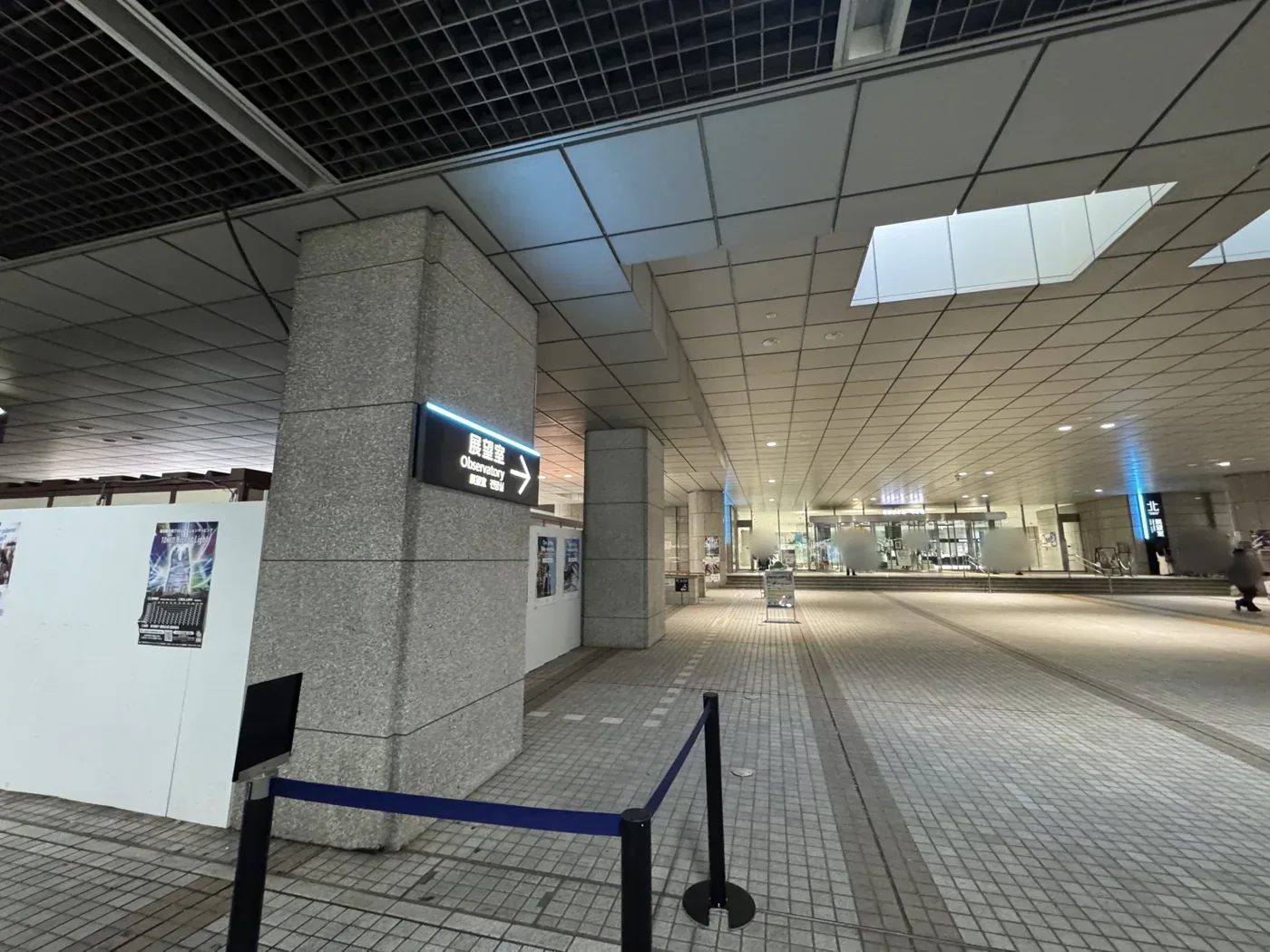
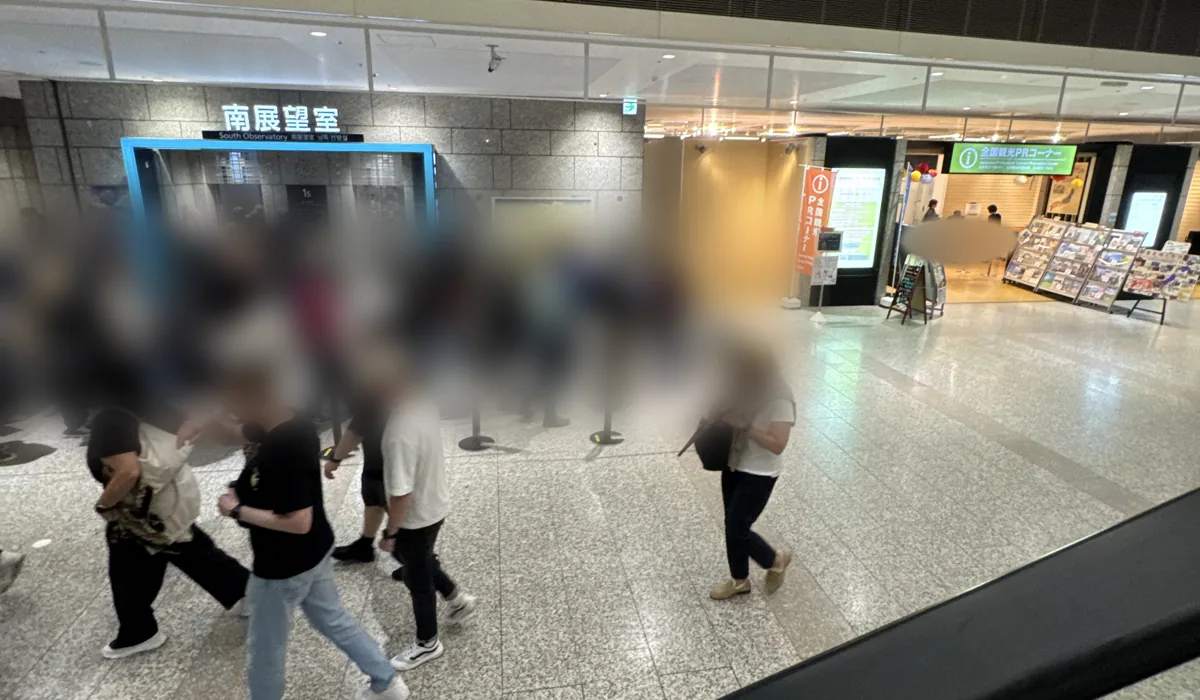
- Go to 1F of Main Building No. 1.
- From 1F, take the elevator that goes only to the observatories ("observatory elevator") up to 45F.
- If you are only going to the observatories, you do not need to complete the building entry procedure (to get a temporary pass). This is stated in the information from the Bureau of General Affairs of the Tokyo Metropolitan Government.
- According to the Tokyo Metropolitan Government, the wait in line before you can enter is about 20 to 30 minutes. The waiting time changes depending on the weather and the time of day.
- Reservations are not accepted, either for individuals or for groups.
- If it is difficult for you to use the stairs to move between 1F and 2F, tell a security guard. You can then move between them by an elevator inside the building.
Highlights
What you can see from the observatories
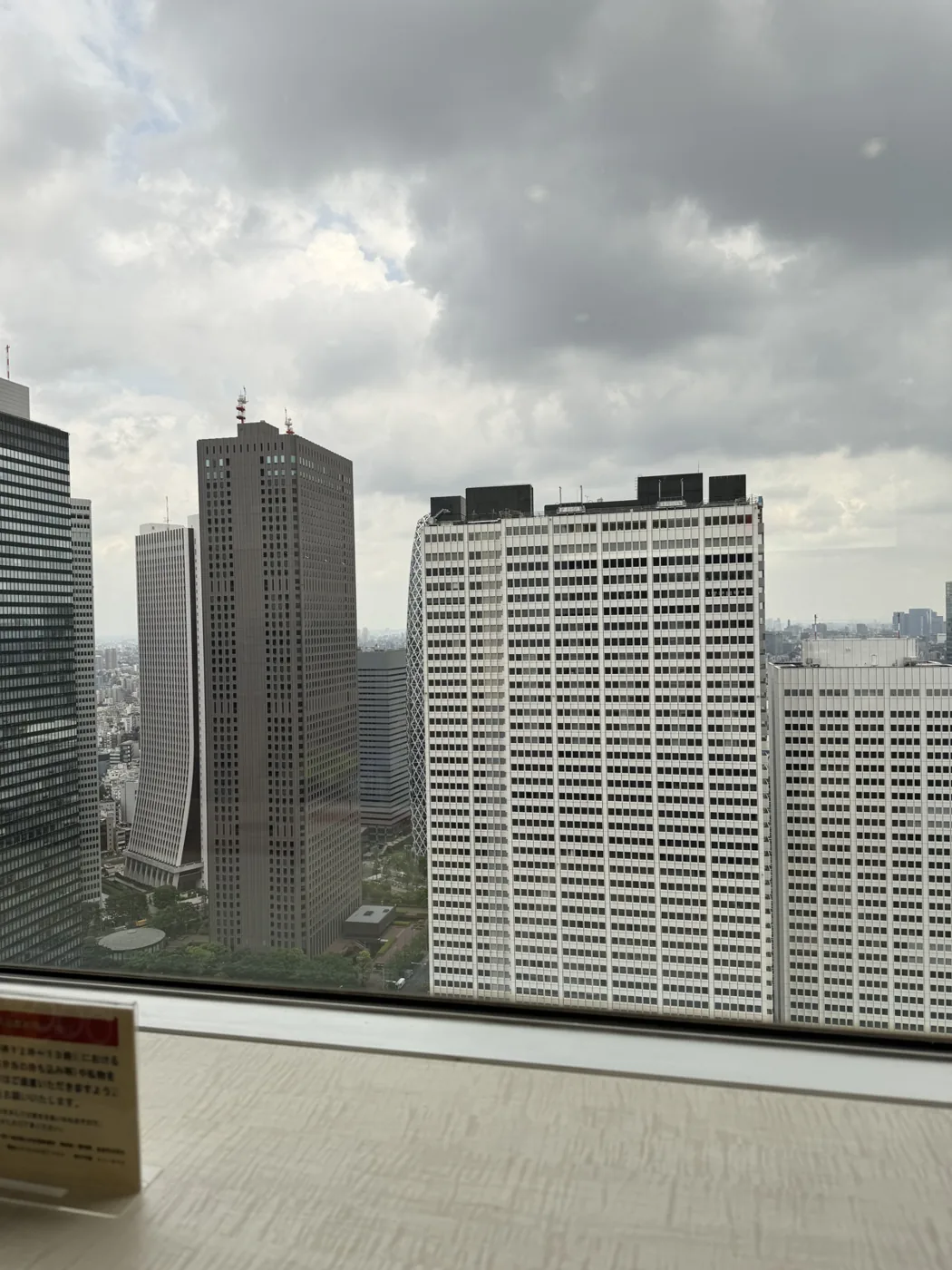
According to the Tokyo Metropolitan Government, you can see the following in each direction. The information does not say which directions can be seen from which observatory.
| Direction | What you can see |
|---|---|
| Northeast | TOKYO SKYTREE |
| Southeast | Shinjuku Gyoen National Garden, Meiji Jingu (Meiji Shrine) |
| Southwest | Shinjuku Park Tower, Tokyo Opera City |
| West | Mt. Fuji |
- According to the official information, Mt. Fuji can be seen on many days from December to February, when temperatures are low and you can see far into the distance.
- If you scan the QR code on a panel in the observatory with your smartphone, a guide to the view called "TOKYO SKY GUIDE" appears in your smartphone's language. You do not need to install an app. The guide has information about 32 places.
- According to the Tokyo Metropolitan Government, about 2,010,000 people entered the observatories in fiscal year 2025 (April 2025 to March 2026).
Projection mapping "TOKYO Night & Light"
Images with light and sound are projected onto the east wall of Main Building No. 1. It is shown every day, except in cases such as very bad weather. You watch it from Citizens' Plaza at the Tokyo Metropolitan Government Building.
- From November through January, it is shown every day from 17:30 to 21:30, every 30 minutes. This is based on the official timetable used since November 1, 2026, and the annual show schedule. In the timetable, every showing is listed as a time slot of 15 minutes from its start time.
- The time of the first showing differs by month. The annual show schedule on the official website is as follows. In every month, the last showing starts at 21:30.
| Month | First showing |
|---|---|
| January, November, December | 17:30 |
| February, October | 18:00 |
| March, September | 18:30 |
| April | 19:00 |
| May to August | 19:30 |
- Which work is shown is fixed for each showing, and works are sometimes replaced with new ones. Check the timetable on the official website to see which work is shown at which showing.
- During a showing, you can listen on the official website to the same music that is playing on site. Some works have no music.
- The official website says that it has been recognized by Guinness World Records as the largest permanent projection mapping on a building.
- Events are sometimes held in Citizens' Plaza, and on those days you may not be able to enter part or all of the plaza. Check the notices on the Tokyo Metropolitan Government's page for visiting the Tokyo Metropolitan Government Building.
Services
Staff cafeteria on 32F
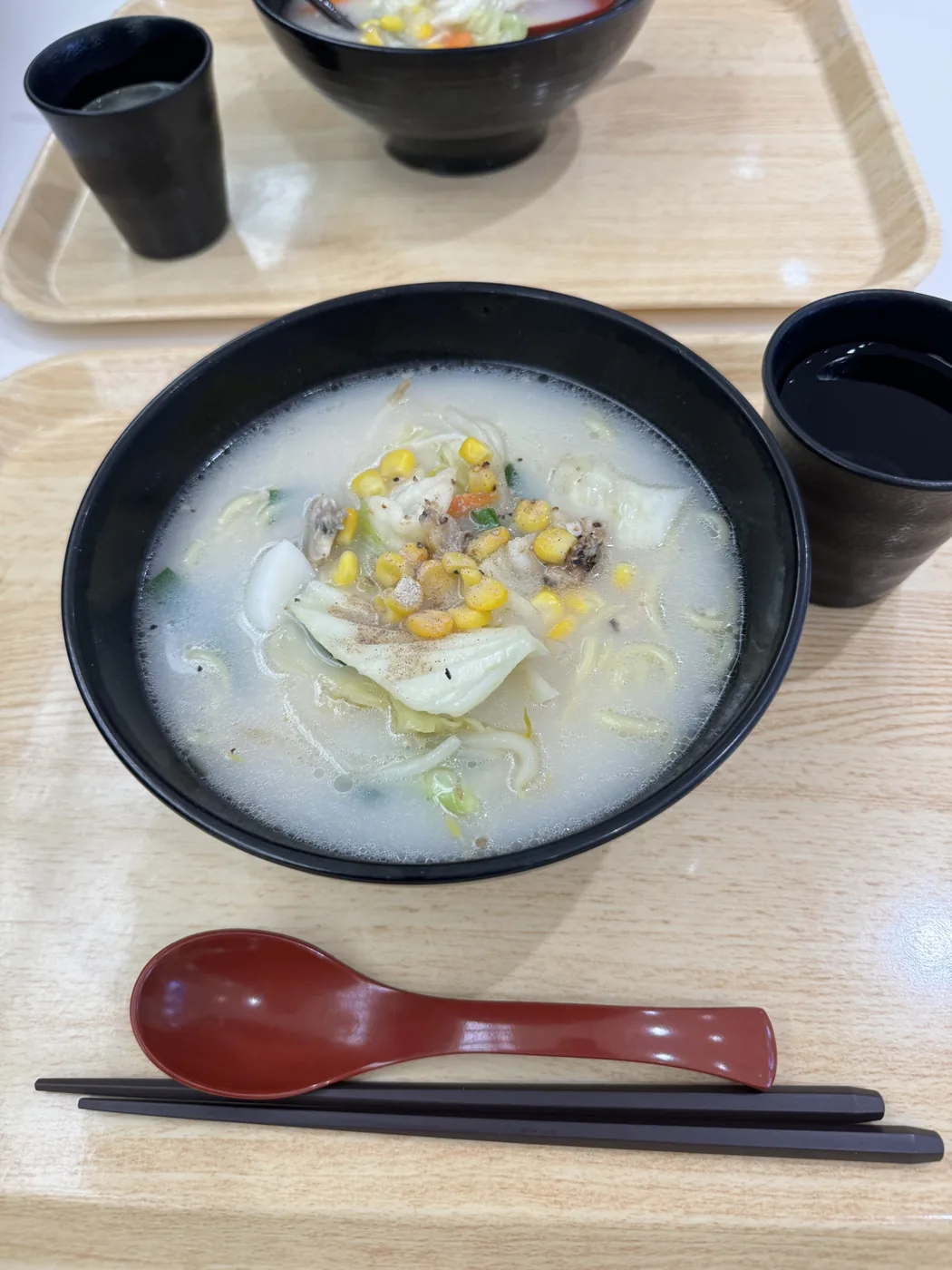
On 32F of Main Building No. 1, there is a staff cafeteria for people who work at the Tokyo Metropolitan Government Building. According to the Tokyo Metropolitan Government Personnel Support Foundation, which runs the cafeteria, people who are not staff can also use it. The Foundation's materials also say that anyone, including travelers, can use it.
| Item | Details |
|---|---|
| Open days | Days other than Saturdays, Sundays, national holidays, and the New Year holidays |
| Lunch | 11:00–14:00 |
| Café | 8:00–17:00 |
| Payment | Cash, cashless payment |
| Number of seats | 863 |
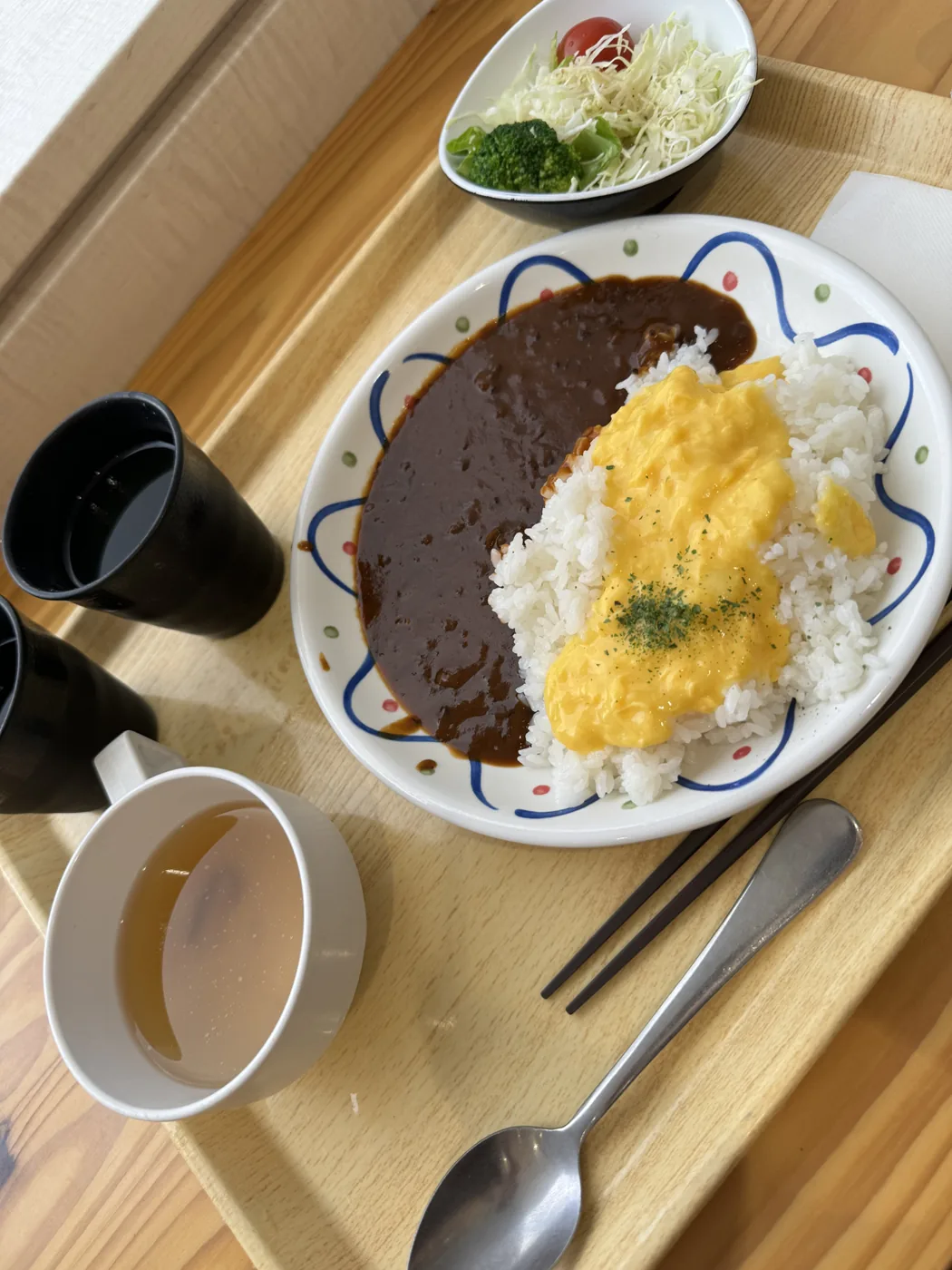
- The cafeteria is self-service: you pick up your food and carry it yourself. For lunch, there are set meals, soba, udon, ramen, curry, and pasta.
- In the table of standard dishes published by the Foundation, curry rice is ¥520. Prices may change.
- Every Monday, a dish made only from plant-based ingredients (Veggie Menu) is served. On the third Monday, a vegan set meal with no animal-based ingredients is served.
- During lunch hours (11:00–14:00), it is crowded from 12:00 to 13:00.
- You cannot reserve seats for lunchtime. Also, according to the official information, you are asked to refrain from both of these: using the seats without buying food, and eating a packed lunch you brought.
- The Foundation's information says to ask at the cafeteria which cashless payment methods can be used.
Procedure for going to the staff cafeteria
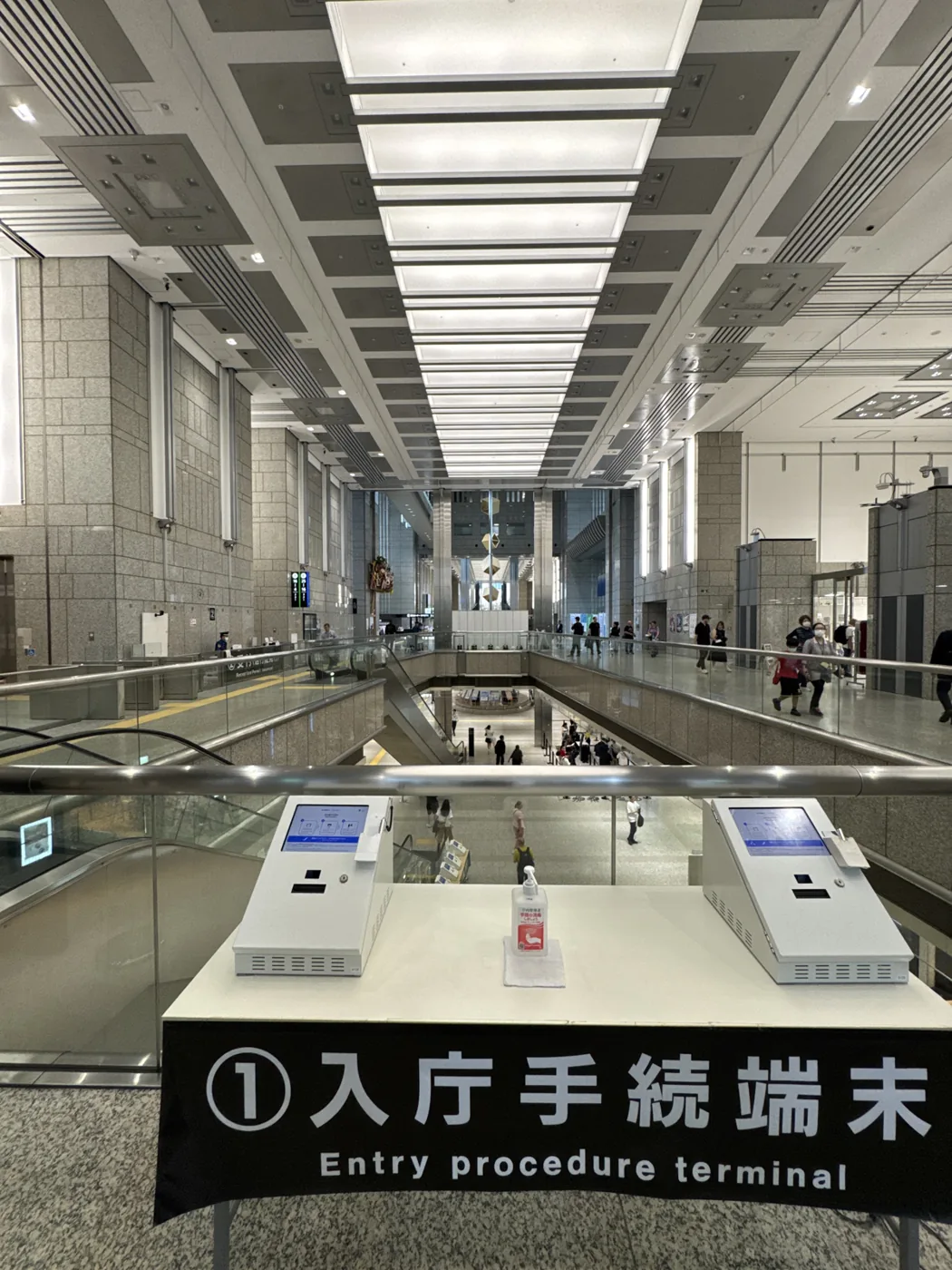
When you go to the staff cafeteria, complete the building entry procedure on 1F or 2F of Main Building No. 1. If you are only going to the observatories, you do not need this procedure.
- There are two ways to complete the procedure. The first is to open the Tokyo Metropolitan Government website "Tochosha Raichosha Uketsuke" on your own smartphone, enter the date, your name, the place you are visiting, and other details, and create a QR code. The second is to enter your name, the place you are visiting, and other details at an entry procedure terminal inside the building, and print a QR code.
- Show the QR code to the security guard at the reception at the entrance. You will receive a temporary pass, which is an IC card.
- Hold the temporary pass over the reader on the gate in front of the elevators and go through. After you go through the gate, keep the temporary pass on you.
- The information does not say what to enter as the "place you are visiting" when you go to the staff cafeteria. According to the official information, if you do not know how to use the terminal, ask a security guard nearby.
- If you enter the building again on the same day, you can use the same QR code.
Tourist information center and shops on 1F
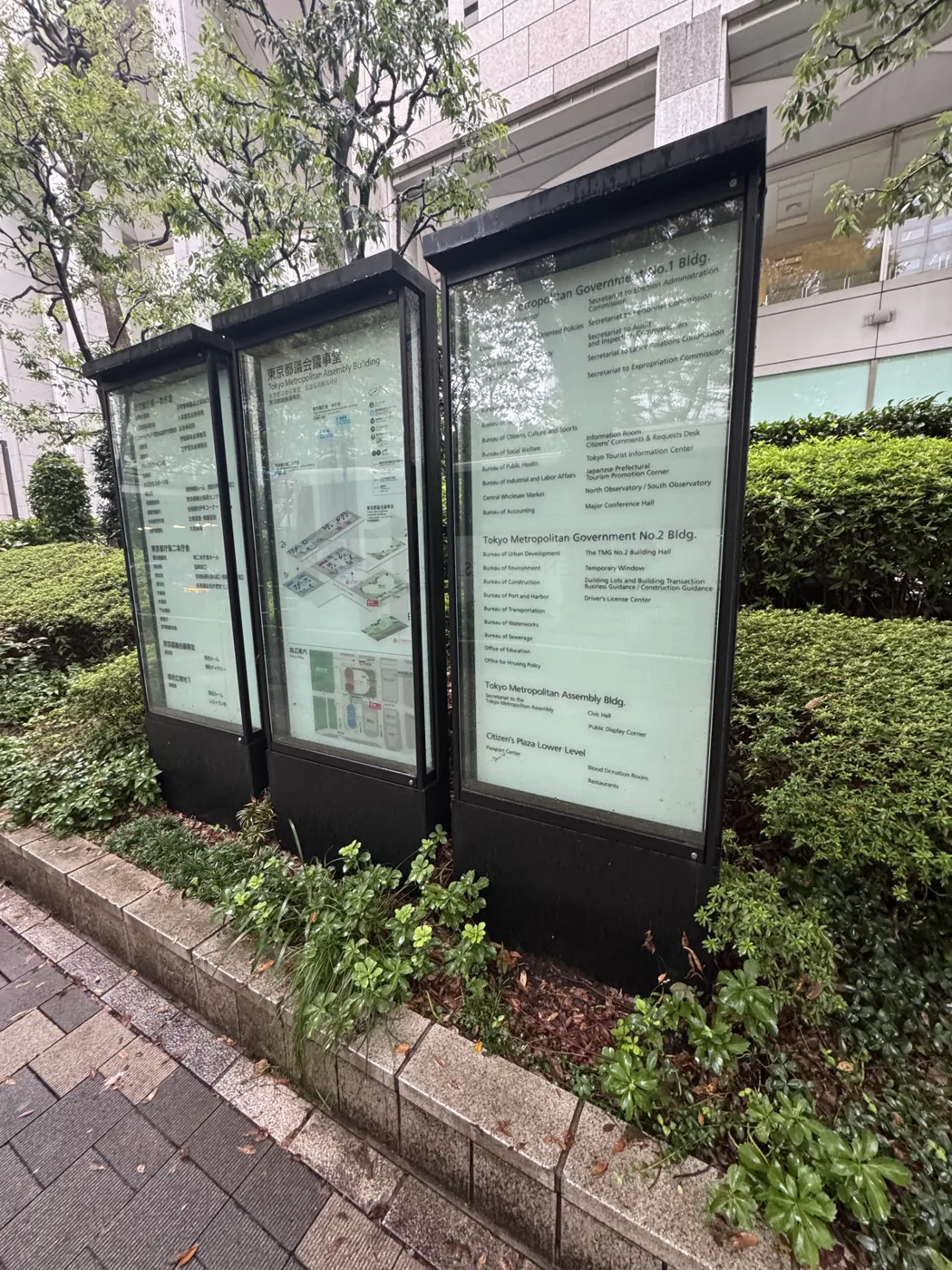
- On the north side of 1F of Main Building No. 1, there is a Tokyo tourist information center, "Tokyo Tourist Information Center (Tokyo Metropolitan Government Building)." It is open from 9:30 to 18:30. It is closed during the New Year holidays and on inspection days of the Tokyo Metropolitan Government Building.
- Inside this information center, there is a shop, "TOKYO GIFTS 62," that sells traditional crafts and food products from the 62 cities, wards, towns, and villages of Tokyo.
- On the south side of 1F, there is the "Japanese Prefectural Tourism Promotion Corner," which gathers tourist information from various regions of Japan.
Good to know
- In the observatories, you cannot take photos using a tripod or similar equipment.
- The areas you can visit inside the building are the observatories, the information center on 1F, and similar places. You cannot enter the rooms where staff work.
- Phone inquiries for the observatories are available only on weekdays from 10:00 to 17:00, and only in Japanese.
- Shinjuku Central Park and Juniso Kumano Shrine, next to the Tokyo Metropolitan Government Building, are covered in Shinjuku Central Park and Juniso Kumano Shrine Guide | Getting There from Tochomae Station and Shinjuku Station, Park Facilities and Rules, Kumano Shrine History and Worship. The walking route from the west exit of Shinjuku Station to the Tokyo Metropolitan Government Building and the high-rise buildings around that route are covered in Walking from the West Exit of Shinjuku Station to Nishi-Shinjuku | Free Observatories at the Tokyo Metropolitan Government Building (Hours, Closed Days, Entrance) and Sights in the Skyscraper District.
- A route for visiting Shinjuku, Harajuku, and Shibuya in one day is covered in Shinjuku, Harajuku and Shibuya in One Day | Route through Shinjuku Gyoen, Meiji Jingu (Meiji Shrine), Yoyogi Park and SHIBUYA SKY, Closing Times, Subway and JR Fares and Travel Times, and Whether the Tokyo Subway Ticket Saves Money.
- To view maps or the timetable on the official website while you are out, you need a mobile data connection on your smartphone. How to choose one is explained in eSIM, SIM Card or Pocket Wi-Fi in Japan: How to Choose | 5 Ways to Get Online Compared, What to Check First, and Airport Pickup.