Travel prep and rules

All guides: 13

Spot

Travel Etiquette in Japan | On Trains, Eating While Walking, Trash, Smoking and Drinking, Escalators, Shops and Restaurants, Shrines and Temples, Photos, and What Local Ordinances Require

This article explains the etiquette to know when traveling in Japan, based on the traveler guides of the Japan National Tourism Organization (JNTO) and the Japan Tourism Agency. It covers talking and mobile phones on trains, eating while walking, the small number of trash cans, smoking and drinking alcohol on the street, escalators, shops and restaurants, shrines and temples, and how to take photos, as well as what the ordinances of Shibuya City, Kamakura City, Saitama Prefecture and Nagoya City require.

Read more →
Shopping

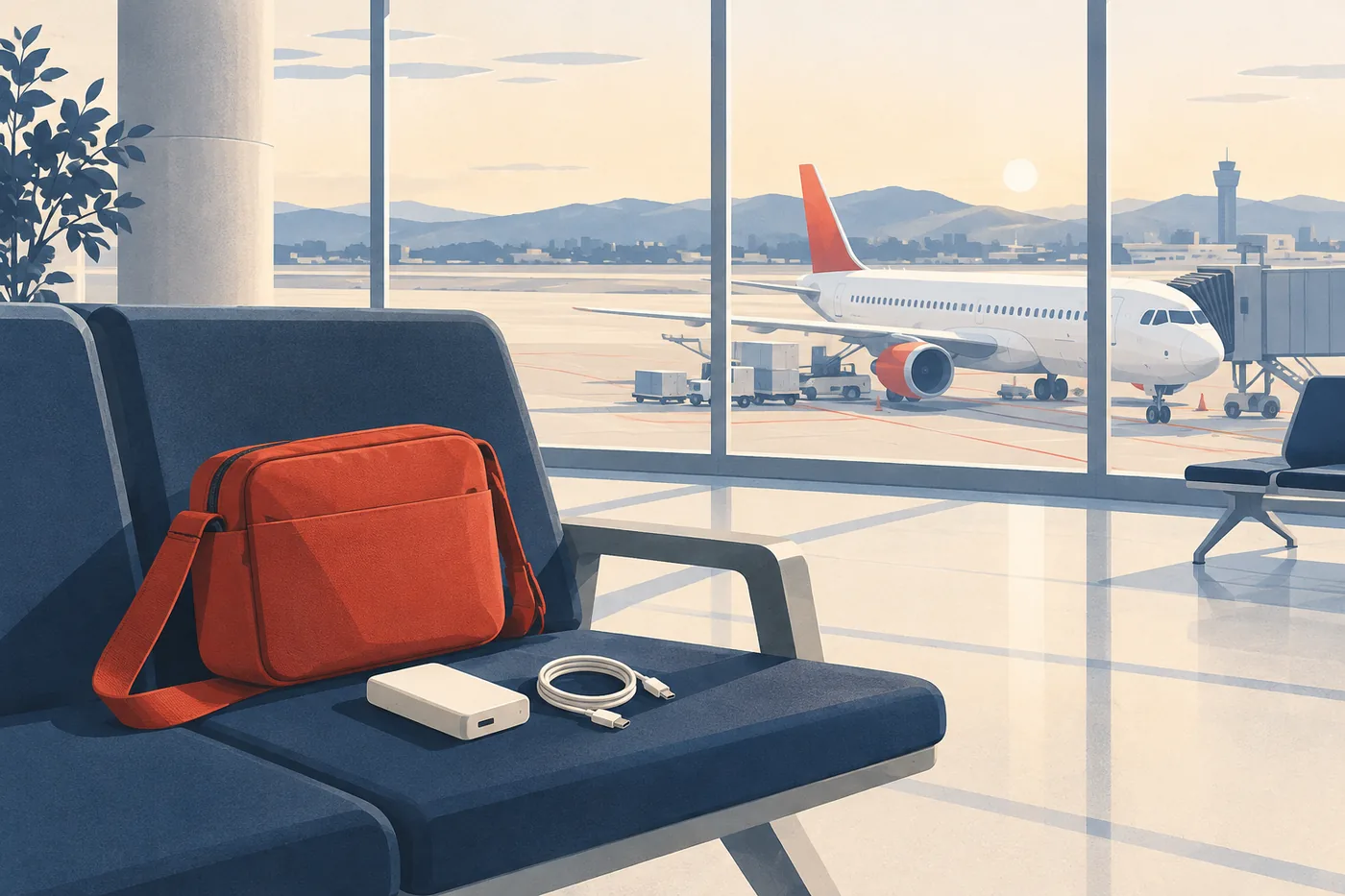
Power Bank Rules on Flights in Japan (from April 2026) | How Many You Can Bring, Capacity (Wh), Charging on Board, and Checked Baggage

On flights in Japan, you can bring up to 2 power banks per person, each 160 Wh or less. They cannot go in checked baggage. On board, you cannot charge a power bank, and you also cannot use a power bank to charge other devices. This article explains the rules of the Ministry of Land, Infrastructure, Transport and Tourism from April 24, 2026, how to check the capacity (Wh), how many you can bring together with spare batteries, penalties, and differences between airlines.

Read more →
Shopping

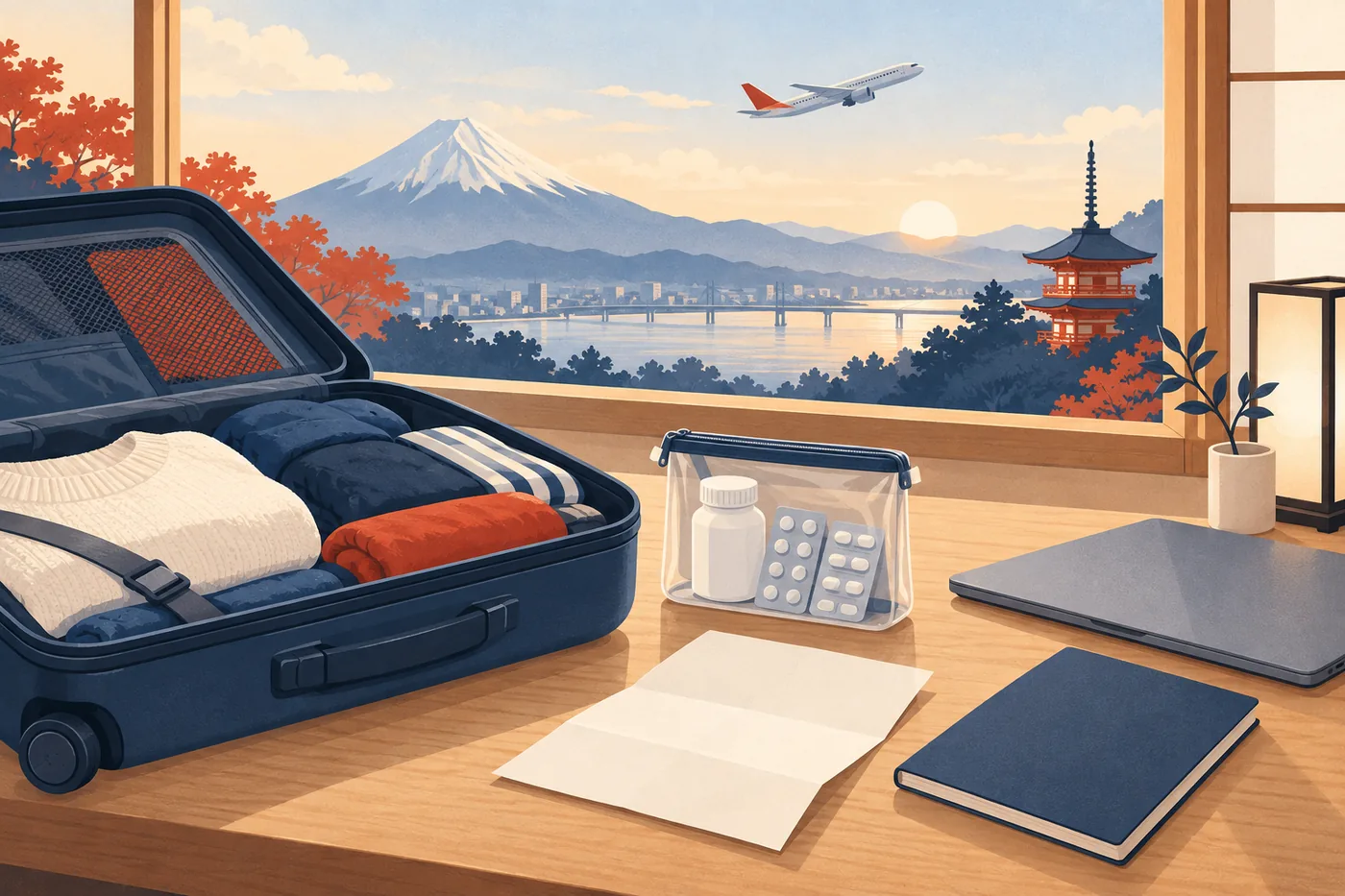
Bringing Medicines into Japan | Quantities Allowed Without Procedures, Applying for an Import Certificate, and Medicines That Need Permission or Are Banned

This page explains the rules for bringing medicines into Japan when you travel, based on official information from the Ministry of Health, Labour and Welfare. It covers the quantities of medicines, cosmetics and medical devices you can bring without any procedure, applying online for an Import Certificate when you exceed them, permission for medical narcotics and stimulants' raw materials, how psychotropics are handled, and medicines you cannot bring even if a doctor in your own country prescribed them.

Read more →
Shopping

What to Declare at Japanese Customs | Duty-Free Allowances for Alcohol, Tobacco and Perfume, Cash over 1 Million Yen, and Prohibited Items

A guide to the customs procedure when you enter Japan, based on official Japan Customs information. It covers the duty-free allowances for alcohol, tobacco, perfume and other goods, the tax you pay when you go over them, how to choose between the green channel and the red channel, declaring cash over 1 million yen, and items you cannot bring into Japan or that need quarantine inspection.

Read more →
Prices & comparisons

Taxes Travelers Pay in Japan | The International Tourist Tax (Departure Tax) and Accommodation Taxes in Tokyo, Osaka, Kyoto, Fukuoka and Hokkaido

An explanation, based on official information from the National Tax Agency and local governments, of two taxes that people traveling in Japan pay: the amount of the International Tourist Tax (often called the departure tax) charged when you leave Japan and who does not pay it, the Accommodation Tax amounts in Tokyo, Osaka Prefecture, Kyoto City, Fukuoka City and Hokkaido (Sapporo City), how to pay the Accommodation Tax, and what to watch for when booking.

Read more →
Getting around

International Driving Permit or Translation for Japan | Which One You Need, How Long You Can Drive, Getting a Translation from JAF, and Road Rules

To drive in Japan, travelers need either an International Driving Permit under the 1949 Geneva Convention, or a driver's license from one of six designated countries and regions together with a Japanese translation. Based on official information from the National Police Agency and JAF (Japan Automobile Federation), this guide covers the countries and regions whose licenses can be used with a translation (Switzerland, Germany, France, Belgium, Monaco and Taiwan), how long you can drive, how to get a translation from JAF and what it costs, and what to watch for on Japanese roads.

Read more →
Prices & comparisons

Do You Need Cash in Japan? | Where Cards Work, ATMs That Accept Overseas Cards, and Currency Exchange

International card brands are widely accepted in Japan, but there are still times when you need cash. Based on official information from the Japan National Tourism Organization (JNTO) and other sources, this guide explains where you can pay by card or transport IC card; the withdrawal limit, hours, and fees of Japan Post Bank (“ゆうちょ銀行”) ATMs, which let you withdraw Japanese yen with a card issued outside Japan; Japanese banknotes and coins; and where to exchange money.

Read more →
Getting around

How to Use Visit Japan Web | One QR Code for Japan's Immigration and Customs: Registration Steps and What Happens at the Airport

How to use the Digital Agency's Visit Japan Web to register your immigration Disembarkation Card for Foreigner and your customs Declaration of Accompanied Articles and Unaccompanied Articles before you arrive, and then show a QR code at the airport, based on official information from the Digital Agency, the Immigration Services Agency of Japan and Japan Customs. Also covers submitting on paper, registering family members, who cannot use it, and the current status of JESTA (electronic travel authorization).

Read more →
Shopping

Japan Plug Type and Voltage | Type A and 100V: How to Check Whether You Need a Plug Adapter or Transformer

The plug type that fits outlets in Japan is Type A (two flat pins), and the voltage is 100V everywhere in the country. Based on official information from JNTO (Japan National Tourism Organization), this guide covers the different frequencies in eastern and western Japan, how to check whether your device needs a plug adapter or a transformer, where to buy one, and where you can charge during your trip.

Read more →
Connectivity

eSIM, SIM Card or Pocket Wi-Fi in Japan: How to Choose | 5 Ways to Get Online Compared, What to Check First, and Airport Pickup

There are five main ways to get your smartphone online in Japan: eSIM, SIM card, pocket Wi-Fi, international roaming and free Wi-Fi. This guide explains how they differ, what to check before using an eSIM or SIM card, the order for setting up an eSIM, picking up and returning pocket Wi-Fi at the airport, and what to know about devices brought from overseas, based on official information from Japan's Ministry of Internal Affairs and Communications, the airports and device makers.

Read more →