Torii Notes · Japan Travel Guide

Guides for travelers exploring Japan

All guides: 108

Getting around

WILLER night buses from Tokyo to Osaka and Kyoto | Timetable, fare examples, seat types, toilets, luggage, women-only seats, booking

Using WILLER's official information, this article explains the timetable of the night buses that WILLER EXPRESS runs from Tokyo (Busta Shinjuku, Bus Terminal Tokyo Yaesu, Ikebukuro) to Osaka and Kyoto, example fares on a Wednesday and a Saturday, the seat types (Relax, Prime, Comodo, Dome, Reborn), the seat type whose buses have a toilet, the size of luggage that fits in the trunk, women-only seats, and how to book and board.

Read more →
Getting around

Night Buses from Tokyo to Osaka and Kyoto (JR Night Buses) | Times, Travel Time, Fares, Booking, Luggage Size, Toilets

Times, travel time, examples of fares that change by date, how to book, refund fees, the size of luggage allowed in the luggage compartment under the bus, and on-board facilities of the JR night buses (Gran Dream and Seishun Eco Dream) from Tokyo Station and Busta Shinjuku to Osaka and Kyoto, based on official information from JR Bus Kanto and West Japan JR Bus.

Read more →
Getting around

New Chitose Airport and Sapporo to Niseko | Winter Ski Bus (Reservation Required) and JR Fares, Travel Times and Timetables, Plus Boarding Points and How to Book

How to get from New Chitose Airport and Sapporo to the ski resorts and hotels in Niseko, comparing Hokkaido Chuo Bus's winter ski bus (reservation required) with JR Hokkaido trains that involve a change at Otaru Station. Based on official information from Hokkaido Chuo Bus, JR Hokkaido and New Chitose Airport, this guide covers the fares, timetables and stops of the ski bus that runs from December 12, 2026 to March 22, 2027, how to book and buy tickets, the bus and lift ticket packages, JR fares, travel times and last trains, and the section where transit IC cards cannot be used.

Read more →
Getting around

New Chitose Airport to Sapporo | JR Rapid Airport and Airport Bus Fares, Travel Times and Boarding Points, Plus How to Use the u-seat Reserved Seat and Transit IC Cards

How to get from New Chitose Airport to Sapporo Station, Odori Park and Susukino, comparing JR Hokkaido's Rapid Airport train with the airport bus run by Hokkaido Chuo Bus and Hokuto Kotsu. Based on official information from JR Hokkaido, the two bus companies and New Chitose Airport, this guide covers fares, travel times, last departures, boarding points, how to buy the u-seat reserved seat, when to use a transit IC card or contactless payment, how to get from the International Terminal Building to the station and the bus boarding area, and the bus route changes from December 11, 2026.

Read more →
Getting around

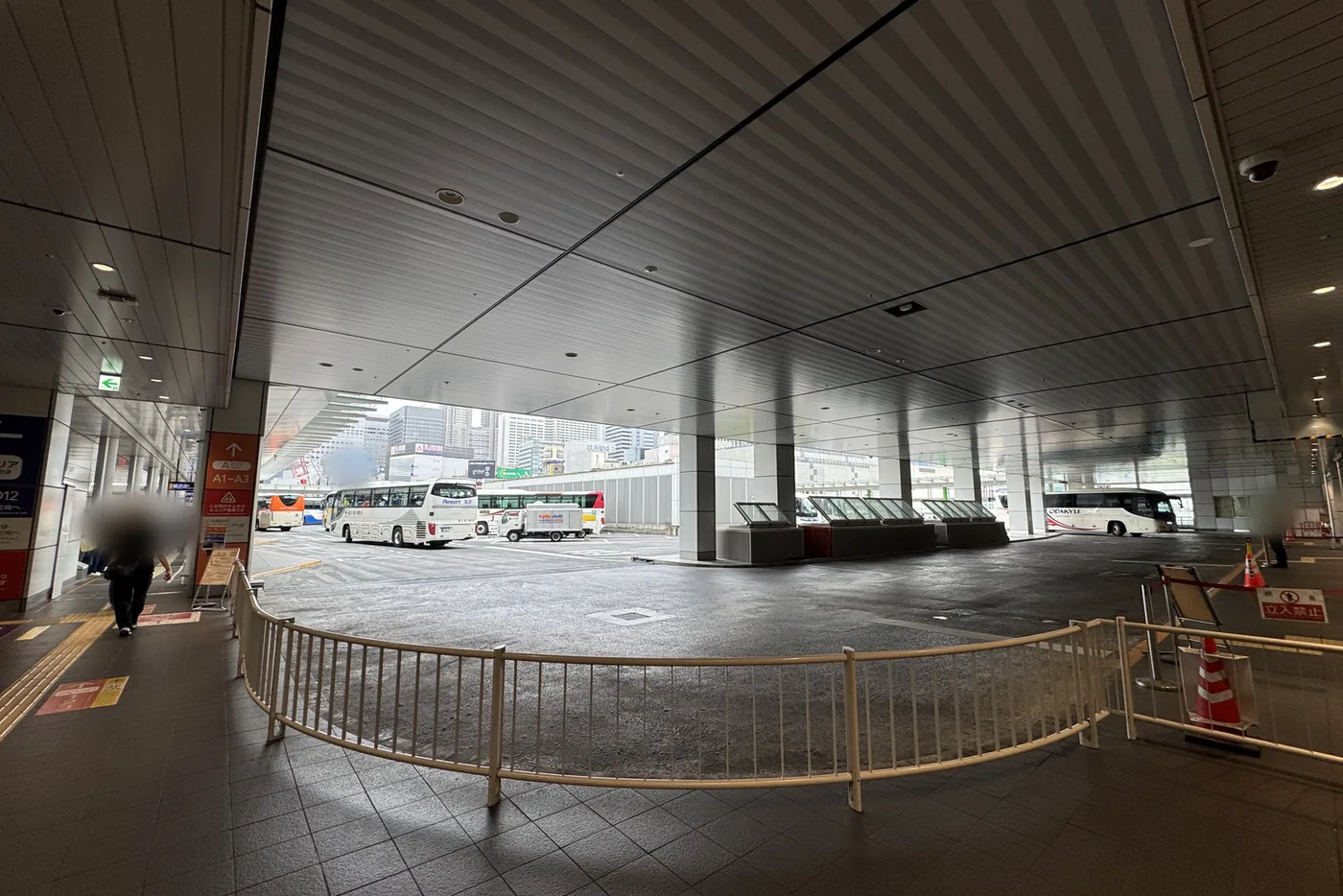
How to Use Busta Shinjuku | 4F Boarding Bays and Ticketing Counter, Getting There from Shinjuku Station, Coin Lockers, and Waiting Room Hours

How to use Busta Shinjuku (Shinjuku Expressway Bus Terminal), the expressway bus terminal on the south side of Shinjuku Station, explained with official information and photos taken on site. Learn how to get there from the New South Gate of JR Shinjuku Station, where to board on 4F (bays A to D), which tickets you can buy at the Ticketing counter and ticket machines, what to do before boarding, coin locker fees, and the hours of the waiting room, convenience store, and Tokyo Tourist Information Center.

Read more →
Getting around

Tokyo/Shinjuku to Kawaguchiko & Mt. Fuji: How to Get There | Fuji Excursion Limited Express, Changing Trains, Highway Bus Fares, Travel Times and Booking

You can get from Tokyo to Kawaguchiko at the foot of Mt. Fuji in three ways: the Fuji Excursion limited express from Shinjuku Station with no transfer, trains with a change to the Fujikyu Railway Line at Otsuki Station, and highway buses from Shinjuku, Tokyo Station and Shibuya. Based on each operator's official information, this guide covers the fares and travel times for each, booking and payment, luggage, children's fares, how the JAPAN RAIL PASS applies, and the bus from Kawaguchiko Station to Fuji Subaru Line 5th Station.

Read more →
Prices & comparisons

How to Use the Hokuriku Arch Pass | 7-Day Price, Area Covered (Tokyo, Nagano, Toyama, Kanazawa, Wakura Onsen, Tsuruga, Kyoto, Osaka), Narita, Haneda and Kansai Airports, Trains You Cannot Ride, Seat Reservations, and Whether It Pays Off

How the Hokuriku Arch Pass from JR East and JR West works, based on official information from both companies: 7 consecutive days on the Hokuriku Shinkansen (between Tokyo Station and Tsuruga Station), the THUNDERBIRD, HARUKA and Narita Express limited expresses, and the Tokyo Monorail; the main stations on the official map; trains you cannot ride, such as the Tokaido Shinkansen; who can buy it; the four ways to buy and collect it; seat reservations; and refunds. We also compare it with the total fare and charges between Tokyo Station and Kanazawa Station.

Read more →
Prices & comparisons

How to Use the JR Kansai-Hiroshima Area Pass | 5-Day Price, Area Covered (Hiroshima, Miyajima, Iwakuni, Okayama, Amanohashidate, Kinosaki Onsen), the Miyajima Ferry, Trains You Cannot Ride, Seat Reservations, and Whether It Pays Off

Based on official information from JR West and the other companies, this article explains JR West's Kansai-Hiroshima Area Pass: the JR lines you can ride for 5 consecutive days, the Sanyo Shinkansen between Shin-Osaka Station and Hiroshima Station (including the Nozomi and the Mizuho), the JR-WEST Miyajima Ferry to Miyajima, local route buses in Hiroshima and Kyoto, the main stations on the official map, the trains you cannot ride such as the Tokaido Shinkansen, who can buy the pass, how to buy and collect it, seat reservations, and refunds. It also compares the pass with the total fares and charges for a round trip between Shin-Osaka Station and Hiroshima Station.

Read more →
Prices & comparisons

How to Use the JR EAST PASS | 5-Day and 10-Day Prices, the Change That Merged the Tohoku and Nagano/Niigata Passes into One, Area Covered (Aomori, Sendai, Akita, Yamagata, Niigata, Nagano, Nikko), Trains You Can Ride, Stations Where You Can Collect It, and Whether It Pays Off

Based on JR East's official information, this article explains the JR EAST PASS: the railway companies and lines you can ride for 5 or 10 consecutive days, the main stations on the official map, how the Tohoku pass and the Nagano/Niigata pass became one new pass in March 2026, the trains you cannot ride such as the Tokaido Shinkansen, who can buy it, the three ways to buy it and the stations where you can collect it, seat reservations, and refunds. It also compares the pass with the total fares and charges for a round trip from Tokyo to each of Sendai, Shin-Aomori, Nagano and Niigata.

Read more →
Prices & comparisons

How to Use the JR Kyushu Rail Pass | Prices and Areas of the All Kyushu, Northern Kyushu and Southern Kyushu Passes, Trains You Can and Cannot Ride, Number of Seat Reservations, and Whether It Pays Off

Based on JR Kyushu's official information, this article explains the three types of the JR Kyushu Rail Pass sold by JR Kyushu (All Kyushu, Northern Kyushu and Southern Kyushu): the areas and trains you can ride for 3, 5 or 7 consecutive days, the price when you buy at a station or from a travel agency outside Japan and the price when you buy on JR Kyushu's booking website, who can buy the pass, how to buy it and at which stations to exchange it, how many reserved seats you can book, the trains you cannot ride, and refunds. It also compares the pass with the total fares and charges for round trips from Hakata Station to Kagoshima-Chuo Station, Nagasaki Station and Yufuin Station.

Read more →
Prices & comparisons

How to Use the Hokkaido Rail Pass | Prices for 5, 7 and 10 Days, How It Differs from the Two Sapporo Area Passes, Trains and Buses You Can Ride, Reserving Seats on All-Reserved Limited Express Trains, and Whether It Pays Off

Based on official information from JR Hokkaido, this article explains JR Hokkaido's Hokkaido Rail Pass: the JR Hokkaido lines and some JR Hokkaido Bus routes you can ride for 5, 7 or 10 consecutive days; the price when you buy from a travel agency outside Japan or a booking site and the price when you buy at a station; the areas covered by the Sapporo-Noboribetsu Area Pass and the Sapporo-Furano Area Pass; what you cannot ride, such as the Hokkaido Shinkansen; who can buy the pass and how to buy it; the ticket vending machines with a passport reader at New Chitose Airport Station and Sapporo Station; reserving seats on limited express trains where all seats are reserved; and refunds. It also compares the pass with the total fares and charges for round trips from Sapporo to Hakodate, Kushiro and Asahikawa.

Read more →
Prices & comparisons

How to Use the JR Kansai WIDE Area Pass | 5-Day Price, Area Covered (Amanohashidate, Kinosaki Onsen, Shirahama, Tottori, Okayama, Takamatsu), Trains You Can and Cannot Ride, Seat Reservations, and Whether It Pays Off

Based on official information from JR West and the other companies, this article explains the Kansai WIDE Area Pass from JR West: the JR lines and the other railway companies' lines and buses you can ride for 5 consecutive days, the main stations on the official map, how the Sanyo Shinkansen and the HARUKA, KONOTORI, KUROSHIO, HASHIDATE and SUPER HAKUTO limited expresses are treated, the trains you cannot ride such as the Tokaido Shinkansen, who can buy the pass, how to buy and collect it, seat reservations, and refunds. It also compares the price of the pass with the total fares and charges for round trips to Kinosaki Onsen and Amanohashidate.

Read more →
Shopping

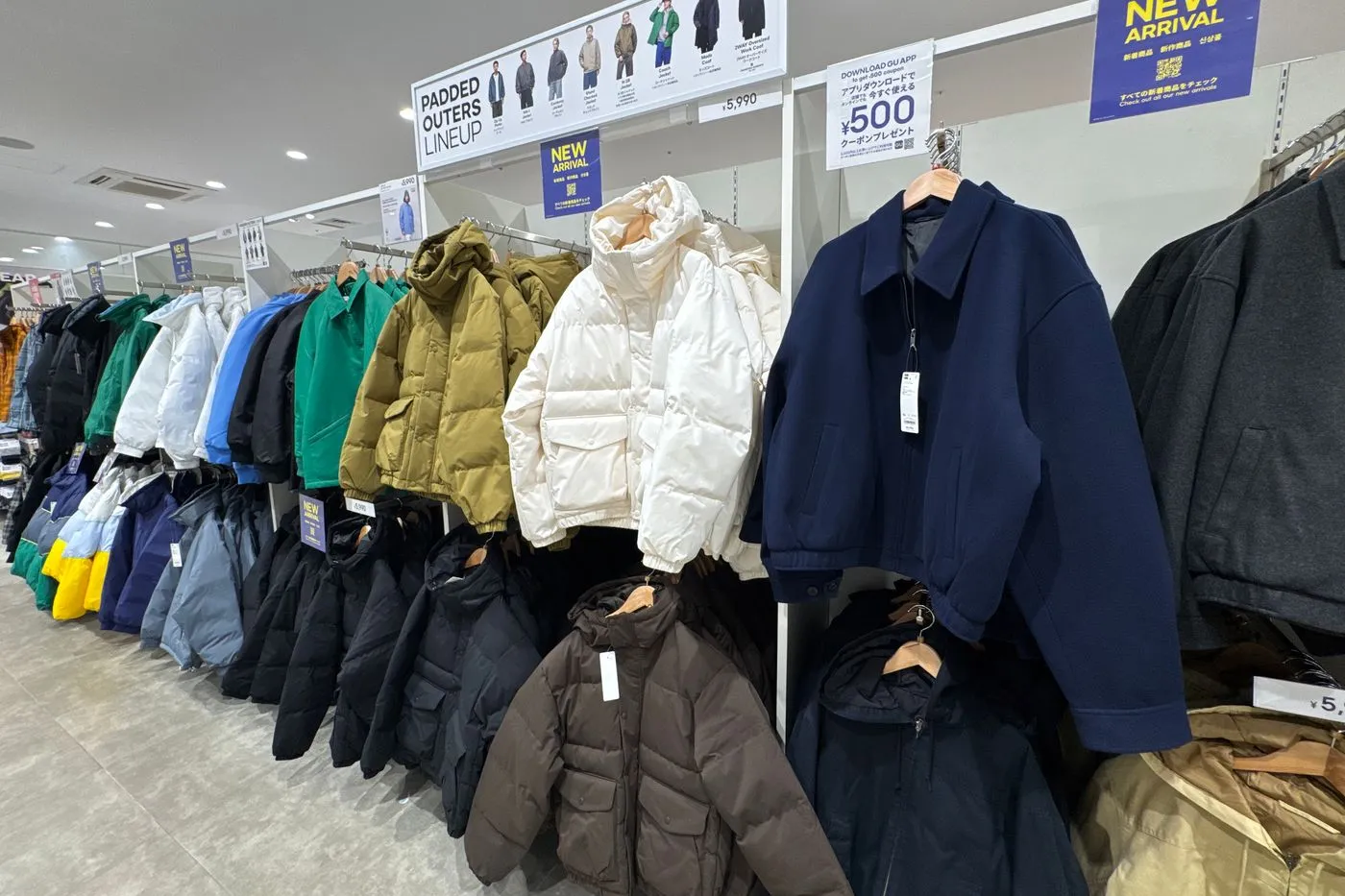
How to Shop at GU in Japan | Tax-Free (Refunds and Fees from November 2026), App Coupons, Hemming, Returns, Differences from UNIQLO, Stores in Ginza, Shinjuku, Shibuya, Ikebukuro, Osaka and Kyoto

GU is a Japanese clothing store in the same group as UNIQLO. Based on GU's official FAQ and store locator, this article explains the tax-free steps and the refund fee from November 1, 2026, how app member-only prices relate to tax-free shopping, app coupons, the fee for hemming pants, exchange and return rules, accepted payment methods, and the locations and opening hours of stores in Ginza, Shinjuku, Shibuya, Ikebukuro, Akihabara, Asakusa, Osaka and Kyoto. It also includes photos of store sections.

Read more →

Spot

How to Shop at Yodobashi Camera | Sections by Pavilion at the Shinjuku West Main Store (Hobby, Toys, Games, Cameras, Watches, Travel), the Akiba, Umeda, Kyoto and Hakata Stores, Points and Tax-Free Information

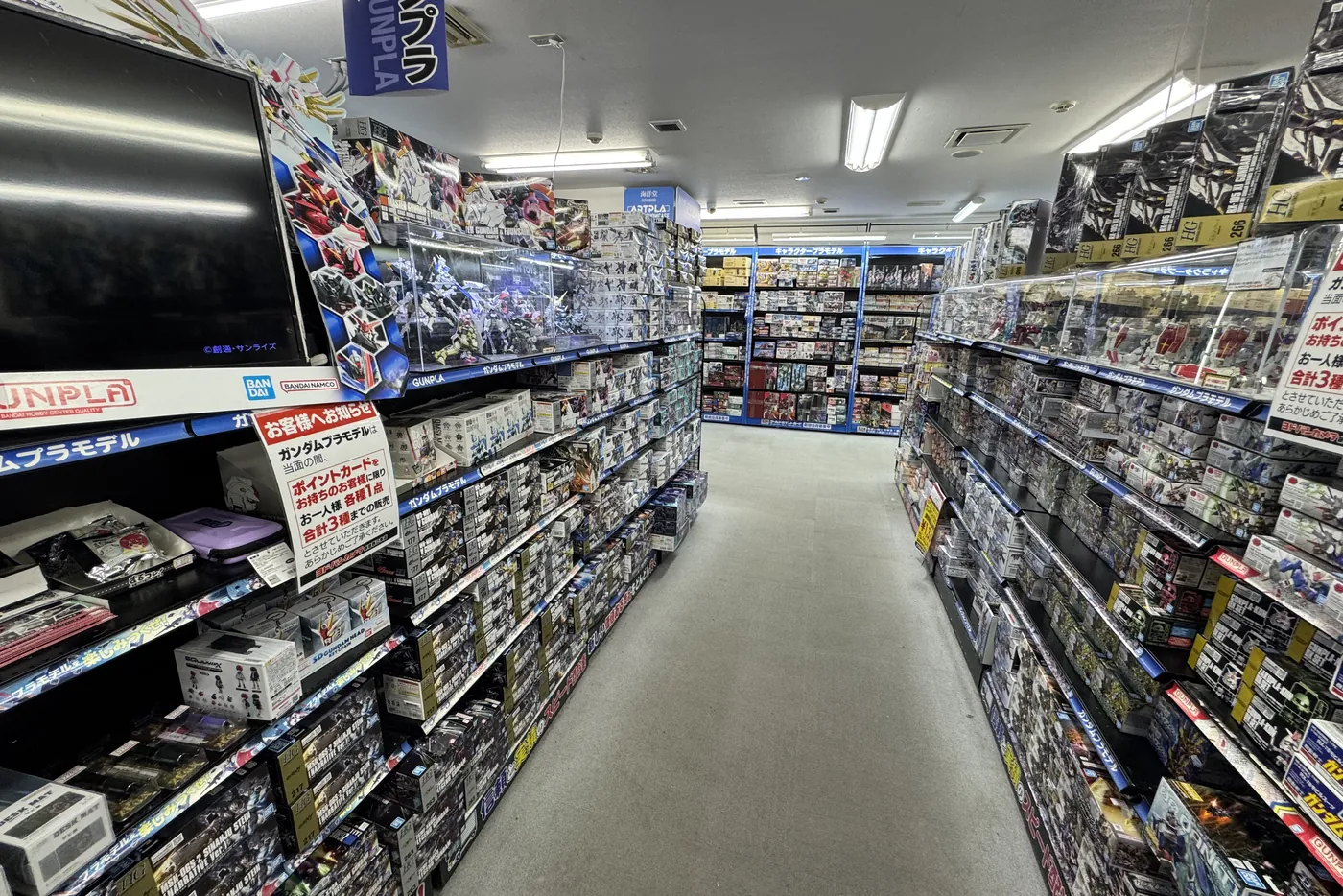
Yodobashi Camera is a large retail chain that sells home appliances, cameras, games, toys, hobby goods and more. Using photos taken on site and the official floor information, this article explains the sections in each pavilion of the Shinjuku West Main Store, which is made up of several buildings near the West Exit of Shinjuku Station. Based on Yodobashi Camera's official information, it also covers the locations and opening hours of other stores such as Multimedia Akiba, Umeda, Kyoto and Hakata, the points you get with each payment method, and how to get tax-free refunds from November 1, 2026.

Read more →
Shopping

Shopping at Seijo Ishii, a Japanese Supermarket | Homemade Deli Dishes, Cheesecake, Coffee, Sweets and Alcohol; Stores at Tokyo Station, Shinjuku, Shibuya, Roppongi Hills, Haneda Airport, Kyoto, Osaka and Nagoya; Payment and Tax-Free Information

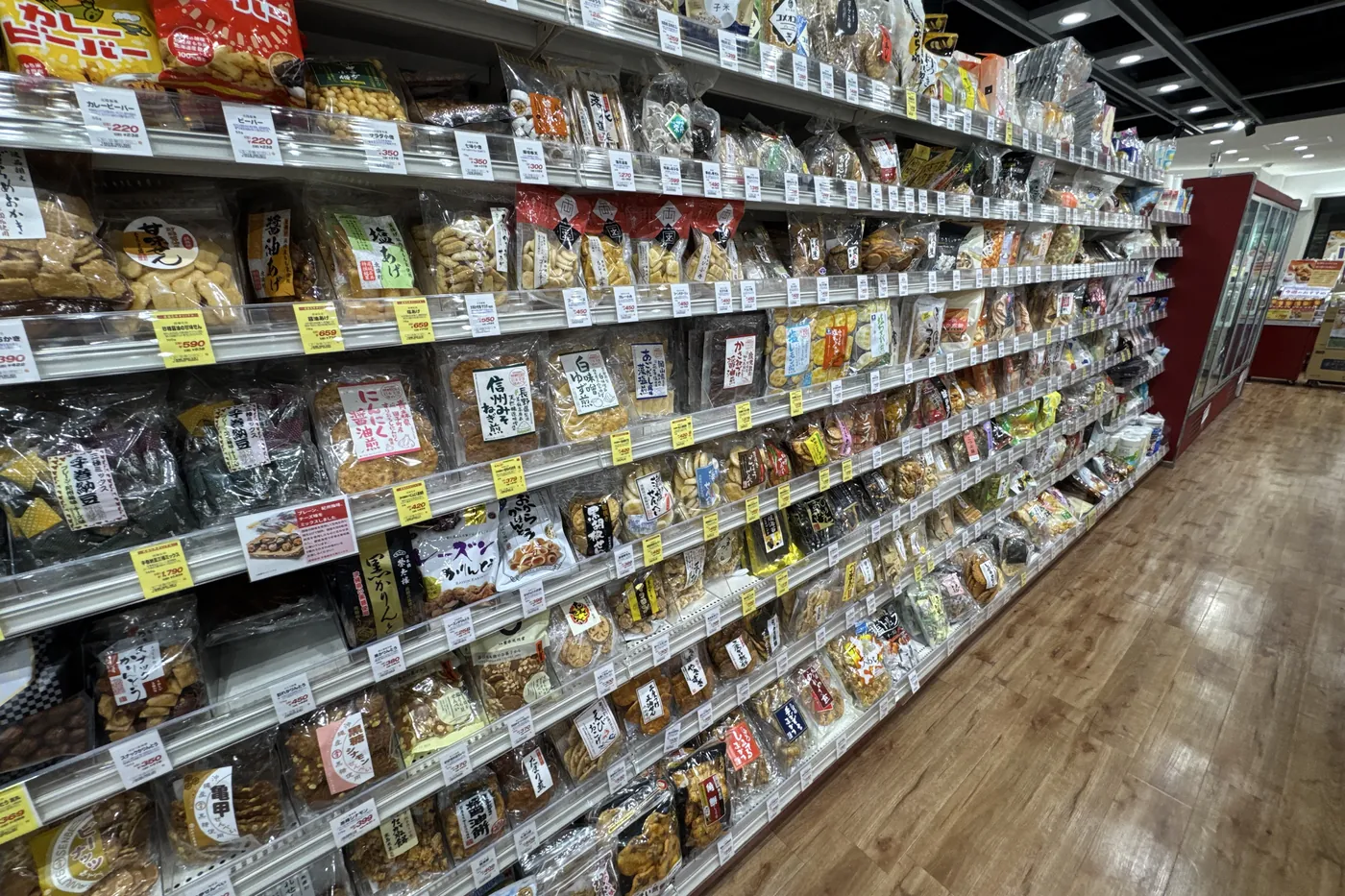
Seijo Ishii is a supermarket chain that sells homemade ready-to-eat dishes and cheesecake, plus food and alcohol from Japan and around the world. Using Seijo Ishii's official information, this article covers photos from the store, prices in the official online shop, the locations and opening hours of stores at Tokyo Station, Shinjuku, Shibuya, Roppongi Hills, Ikebukuro, Ueno, Haneda Airport, Kyoto, Osaka, Nagoya and Sendai, payment methods that differ from store to store, and information on tax-free shopping and returns.

Read more →
Shopping

Yuzawaya, a Japanese Craft Store Chain: Buy Fabric, Yarn, Stickers and Oshikatsu Supplies | Kamata, Shinjuku, Ikebukuro, Namba and Kyoto Stores, Tomo-no-kai Discounts, Shipping outside Japan, Tax-Free Shopping Information

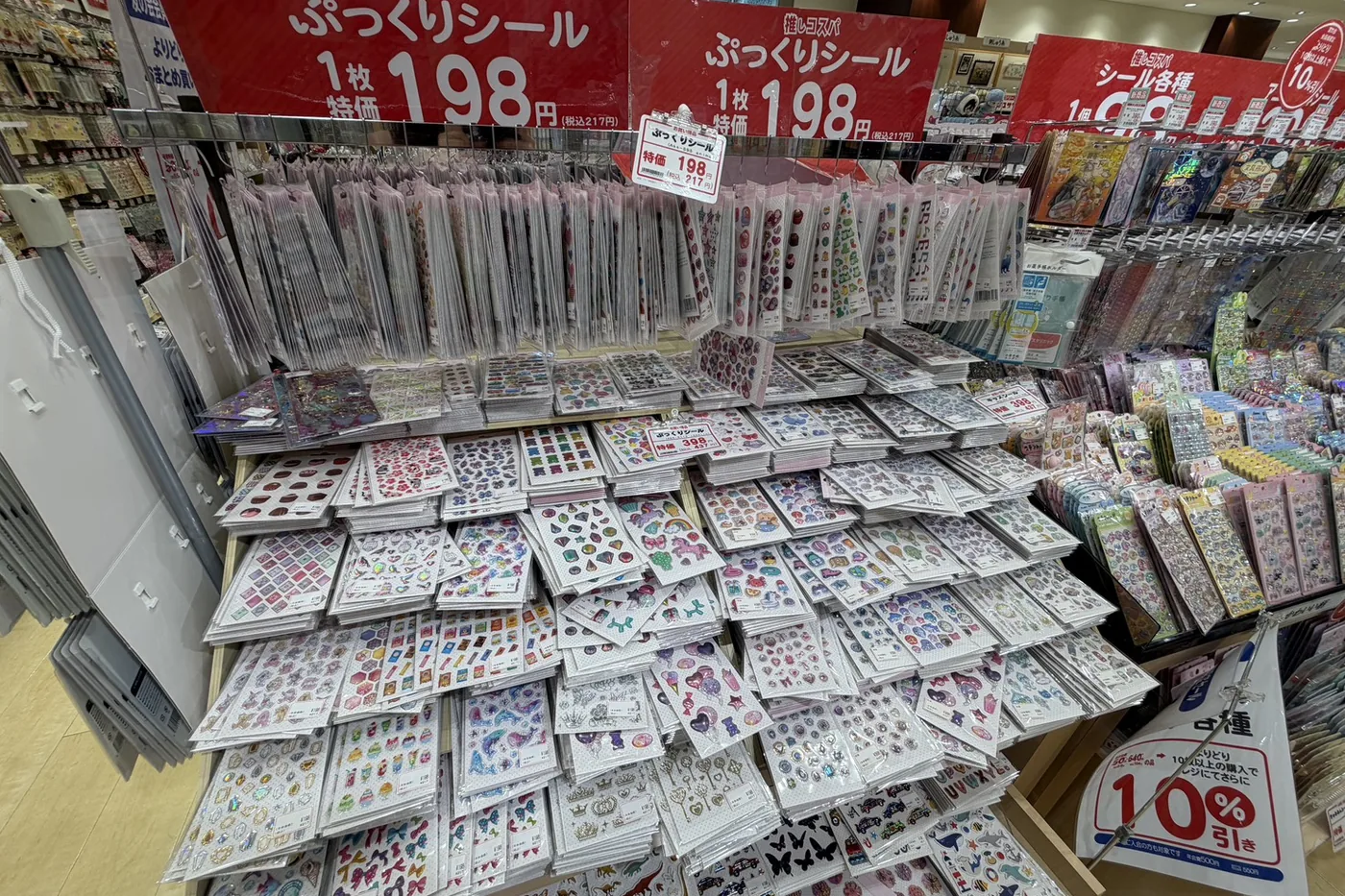
Yuzawaya is a Japanese chain of craft supply stores that sells fabric, yarn, craft materials, art supplies and more. It also has sections for stickers and oshikatsu supplies. Based on Yuzawaya's official information, this article explains the locations and opening hours of its stores in Tokyo (Kamata, Shinjuku, Ikebukuro, Okachimachi, Kichijoji), Yokohama, Osaka (Namba, Umeda), Kyoto, Sapporo, Nagoya and Fukuoka, the discounts and points of its membership program, Tomo-no-kai, its official online shop that ships outside Japan, and tax-free shopping.

Read more →

Shopping

Buy Winter Wear, Rainwear and Shoes for Less at Workman (WORKMAN) in Japan | Workman Colors vs WORKMAN Plus, Stores in Ginza, TOKYO Solamachi, Ikebukuro and Namba, XShelter, Payment and Tax-Free

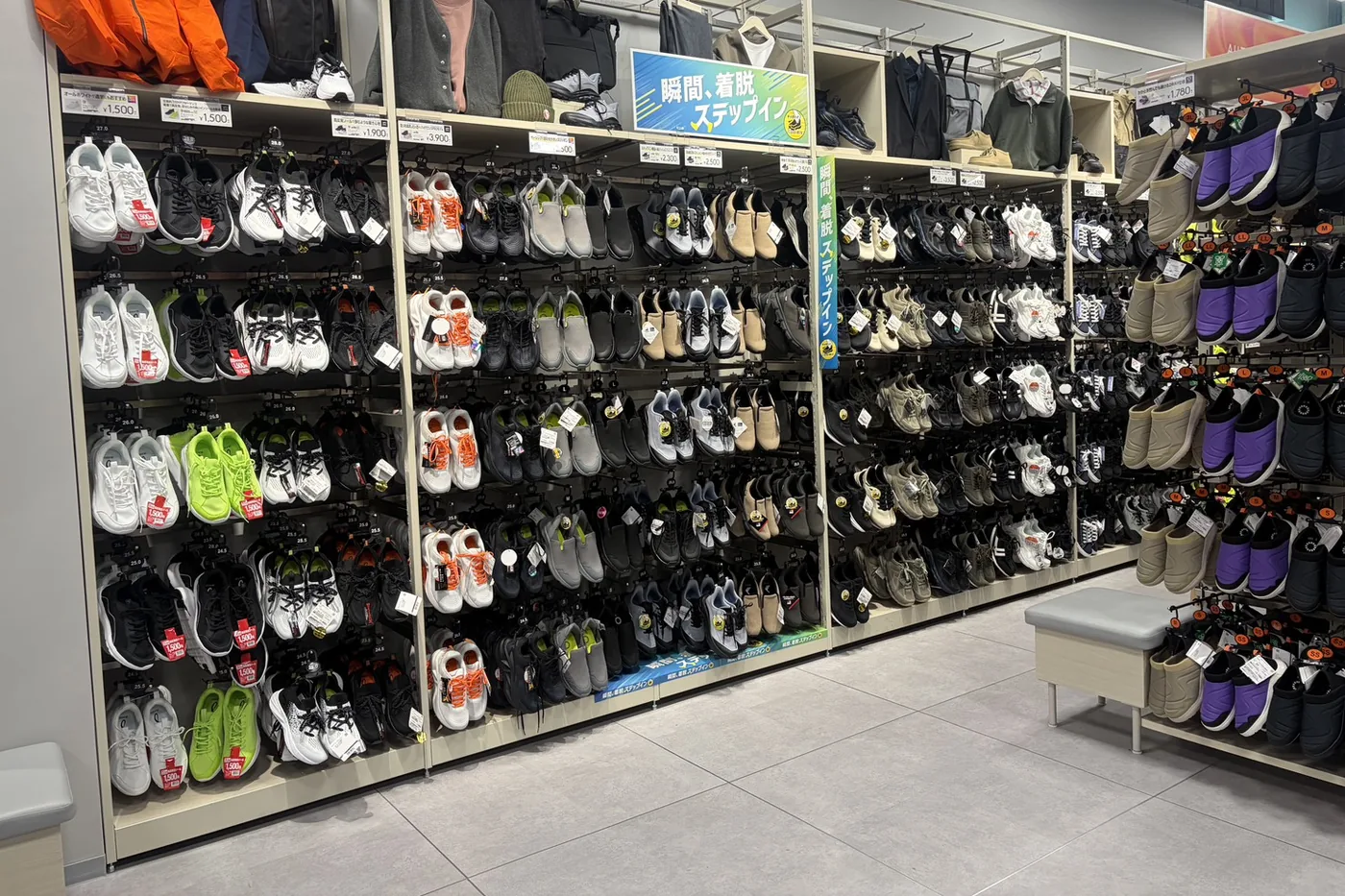
Workman is a chain of clothing stores in Japan that started as a shop for work clothes. Today it sells winter wear, rainwear, shoes, backpacks and more at reasonable prices. Based on Workman's official information, this article explains the differences between Workman Colors, WORKMAN Plus and WORKMAN GIRL (#ワークマン女子), example prices on the official online store, XShelter winter wear, the locations and opening hours of stores in Tokyo (Ginza, TOKYO Solamachi, Ikebukuro), Yokohama, Osaka (Namba, Tennoji) and Kyoto, the payment methods you can use, and the rules for tax-free shopping and returns.

Read more →
Shopping

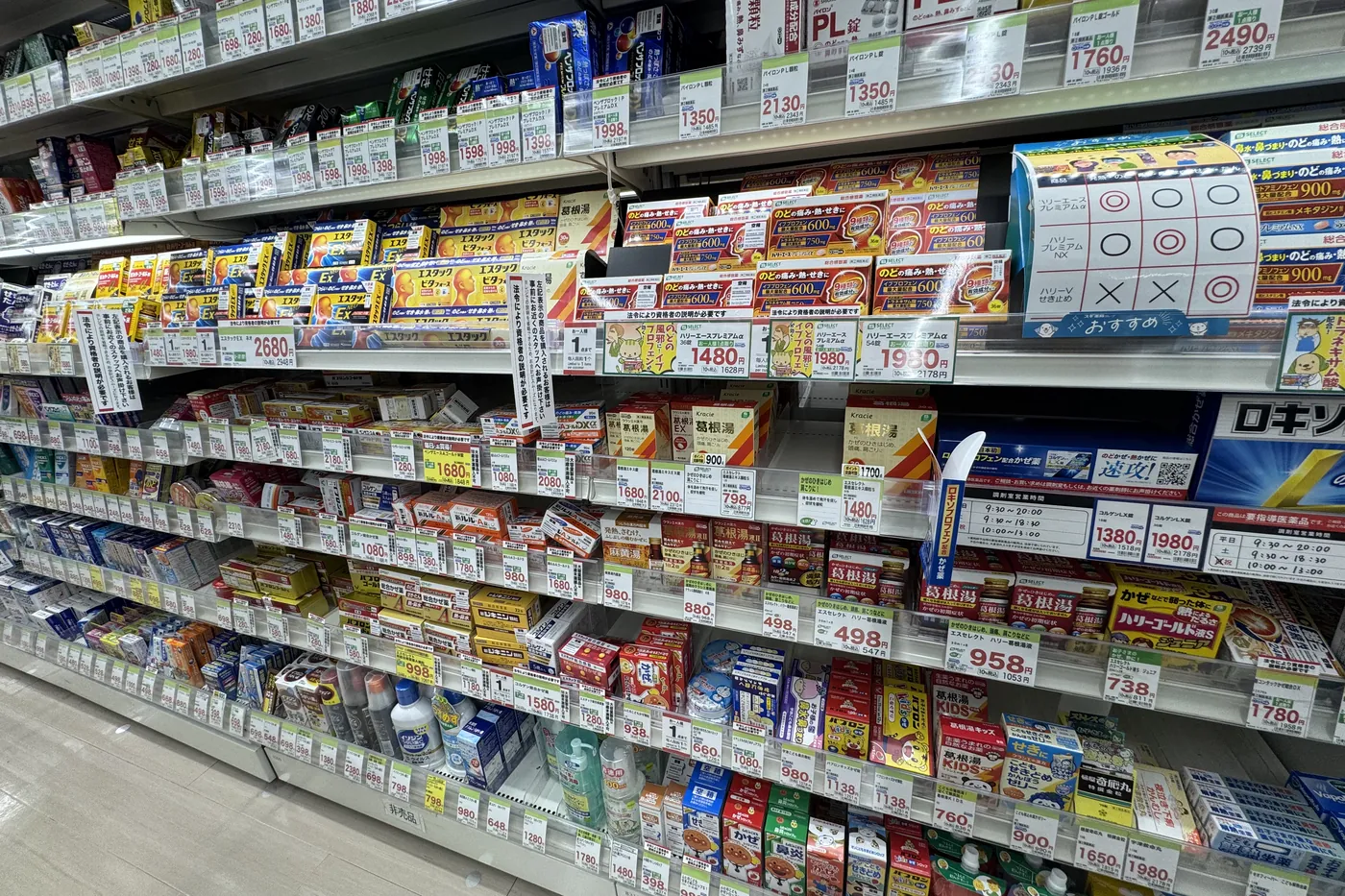
How to Use Drugstores in Japan | Medicine for Sudden Injuries or Illness, Buying Japanese OTC Drugs, Plus Cosmetics, Food and Drinks (Sugi Pharmacy Example, Tax-Free)

At Japanese drugstores you can buy not only medicine but also cosmetics, everyday goods, drinks and food. With photos taken by the site operator, this guide explains where to get help if you are suddenly injured or feel unwell while traveling, the four classes of Japanese OTC drugs and the medicines you can buy only while a pharmacist is on duty, the quantity rules for cough medicine, cold medicine and similar products, Sugi Pharmacy stores in Asakusa, Ueno, Ginza, Shinjuku, Shibuya, Umeda, Dotonbori, Kyoto and Nagoya, and how to pay and shop tax-free.

Read more →
Itinerary

Eating and Shopping Inside Tokyo Station | Where to Find Tokyo Ramen Street, Tokyo Character Street and Gransta Tokyo, Inside or Outside the Ticket Gates, Opening Hours, Ekiben, Tax-Free and Luggage

A guide to the dining and shopping areas inside Tokyo Station and in the underground space right next to it, using only the information on the operating companies' official websites. It covers the location, floors and opening hours of First Avenue Tokyo Station (Tokyo Station Ichibangai, with Tokyo Ramen Street, Tokyo Character Street, Tokyo Okashi Land and more), Gransta Tokyo inside the ticket gates, Gransta Yaesu and Gransta Yaekita, and the Yaesu Underground Shopping Mall (Yaechika), as well as how to get inside the ticket gates and what it costs, where ekiben are sold, notes on payment methods, where to do tax-free procedures and how to leave your luggage.

Read more →
Shopping

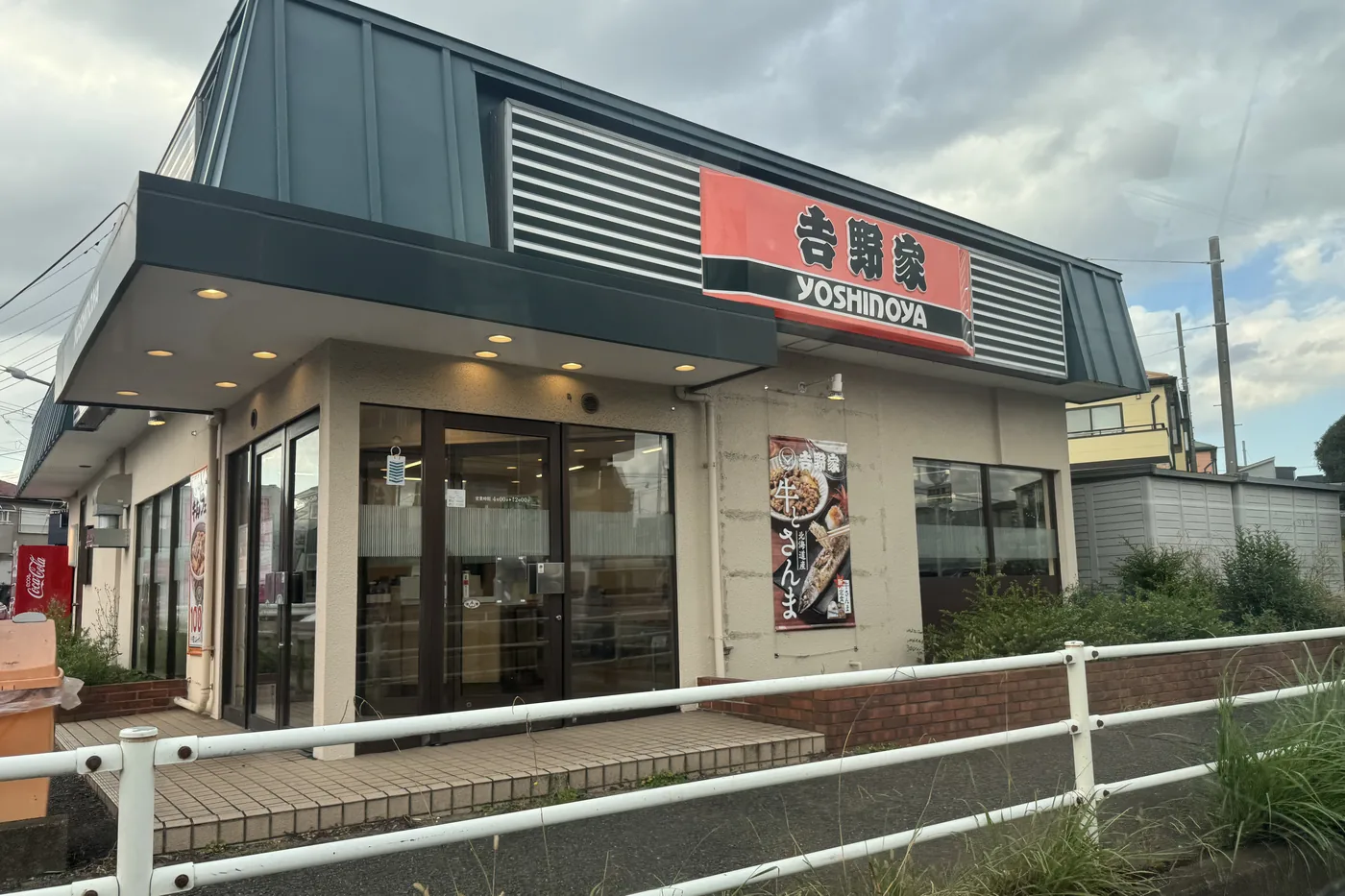
Gyudon Chains in Japan: How SUKIYA, Yoshinoya, and Matsuya Differ | Beef Bowl Prices and Sizes, Ordering by Meal Ticket Machine or Tablet, Late-Night Surcharge, Breakfast, Payment, Foreign-Language Menus, Allergies

SUKIYA, Yoshinoya, and Matsuya are gyudon (beef bowl) chains with restaurants all over Japan. This article compares the three chains' gyudon prices and sizes, how to order, the late-night surcharge added from 22:00, breakfast hours, accepted payment methods, foreign-language menus, and allergy information, based on each company's official website (checked on October 24, 2026) and photos of the restaurants.

Read more →
Shopping

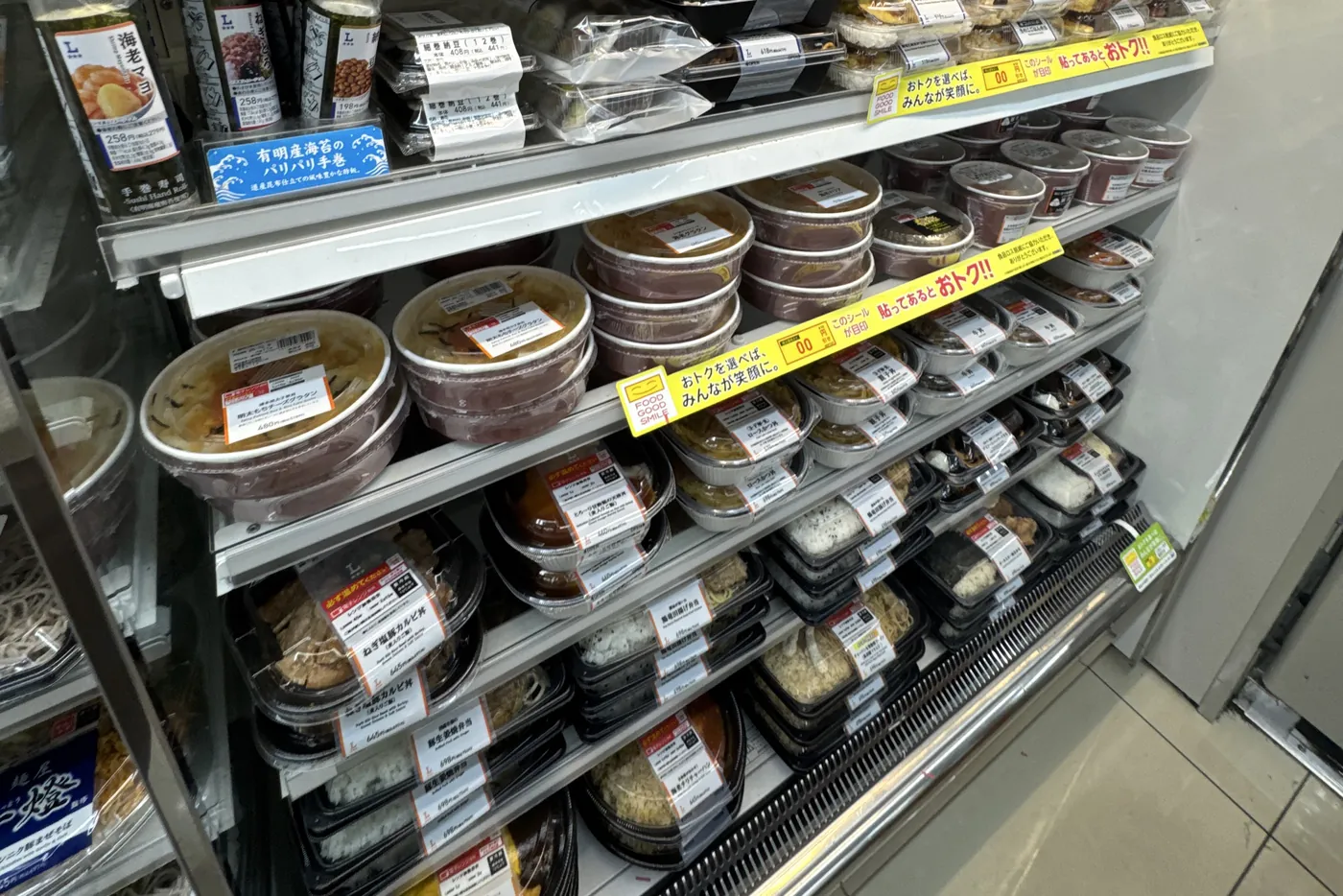
How to Buy Food and Drinks at Japanese Convenience Stores | Popular Items from Each Chain, Hot Snacks, Coffee and Smoothies, Heating, Eat-In Tax, Alcohol (7-Eleven, FamilyMart, Lawson)

Based on each chain's official information, this article explains the items that Japan's three major convenience store chains (7-Eleven, FamilyMart, and Lawson) introduce to travelers, hot snacks such as Nanachiki, Fami-Chiki, and KARAAGE-KUN, and how to buy coffee and smoothies. It also covers heating bento boxes, the tax when you eat in the store's eat-in area, age checks when buying alcohol, and allergen labels.

Read more →
Prices & comparisons

Do You Tip in Japan? | Restaurants, Taxis, Hotels, Ryokan and Guides, plus Service Charges, Otoshi and Consumption Tax

In Japan there is no custom of tipping at restaurants, taxis, hotels and similar places, and paying the amount you are charged is enough (according to the Japan National Tourism Organization [JNTO]). Based on official information from JNTO, the National Tax Agency and the Ministry of Finance, this guide covers how to think about each situation, such as ryokan and guides, the service charges, table charges and consumption tax that may be added to your bill, and how to give kokorozuke when you want to show your thanks.

Read more →
Shopping

How to Use a Family Restaurant in Japan | Ordering, Drink Bar and Payment at Gusto (ガスト) and Saizeriya

Japan's family restaurants ("famiresu") are chain restaurants with affordable meals. Using Gusto (ガスト) and Saizeriya as examples, this guide explains ordering on a tablet or your smartphone, the drink bar, the late-night surcharge, how to pay and how to check allergen information, based on each company's official information and photos taken in the restaurants.

Read more →
Spot

Tokyo Metropolitan Government Building Free Observatories: Hours and How to Enter | South vs. North Observatory, Projection Mapping Show Times, and the 32F Staff Cafeteria

This article explains the free observatories (202 meters above the ground) in Main Building No. 1 of the Tokyo Metropolitan Government Building: opening hours, closed days, the differences between the South Observatory and the North Observatory, and the entrance on 1F, using official Tokyo Metropolitan Government information and photos taken by the site operator. It also covers the show times of the projection mapping "TOKYO Night & Light," which you watch from Tomin Hiroba (Citizens' Plaza). Travelers can also use the 32F staff cafeteria. The article also explains its opening hours and the procedure you need when you go to the cafeteria.

Read more →
Spot

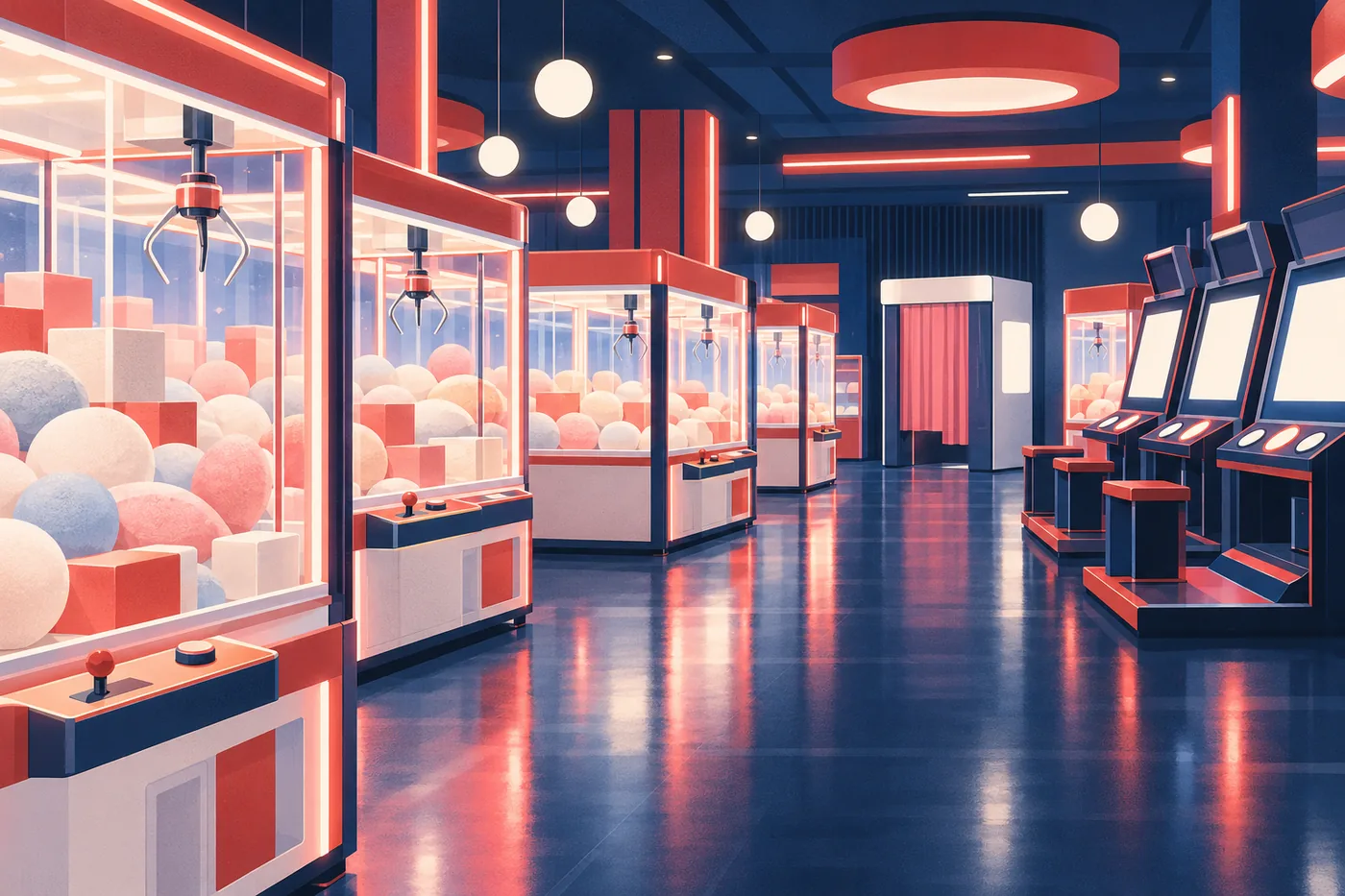
How to Play at GiGO | Crane Game Prices at a Japanese Game Center, Coin Change Machines and Foreign Currency Exchange Machines, Hours for Under-18s, and Stores in Shinjuku, Akihabara, Shibuya, Ikebukuro, Osaka's Dotonbori and Kyoto

GiGO is a chain of game centers (arcades) found across Japan. Using GiGO's official information and what we saw at its Shinjuku Nishiguchi store, this article explains the price of one play on a crane game, coin change machines and foreign currency exchange machines, the e-money and QR code payments you can use, the hours when people under 18 can enter, and the rules on taking photos inside the stores. It also introduces the locations and opening hours of stores in Shinjuku, Akihabara, Shibuya, Ikebukuro, Osaka's Dotonbori and Kyoto.

Read more →
Spot

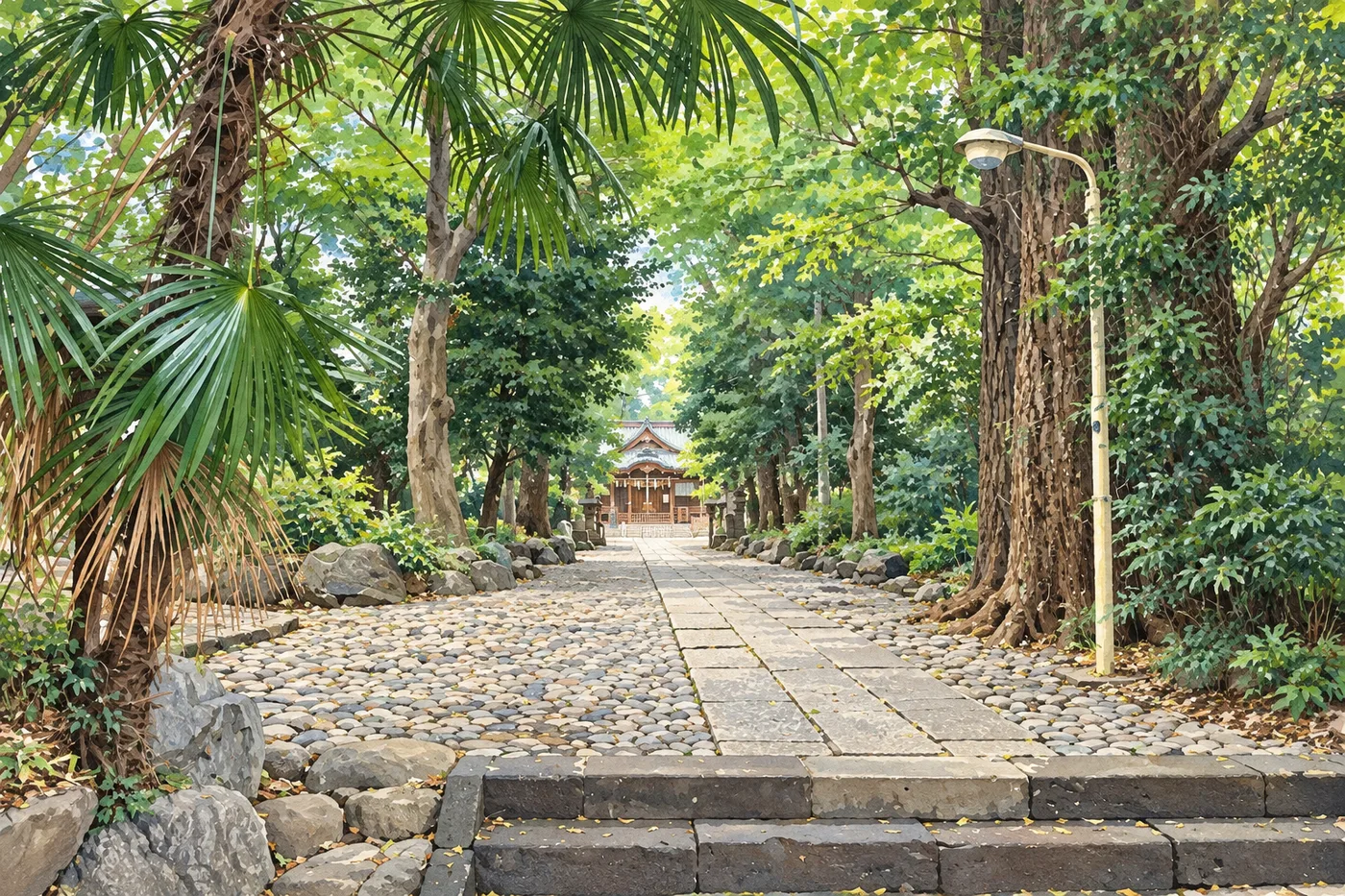
Yoyogi Hachimangu (Yoyogi Hachiman Shrine) Guide | The Shrine in the Film PERFECT DAYS, Toyo Ito's Toilet Below the Stone Steps, Getting There from Yoyogi-Hachiman Station, Goldfish Omamori and Goshuincho, Setsubun and the Annual Grand Festival

Yoyogi Hachimangu Shrine is a Shinto shrine in Yoyogi, Shibuya City, Tokyo. Admission is free, and you can visit and pray at any time of day. It is known as the shrine where the main character spends his lunch breaks in the film PERFECT DAYS, and below the stone steps at the entrance is a THE TOKYO TOILET toilet designed by Toyo Ito. Based on official information, this guide covers how to get there from the station, highlights on the grounds, omamori (amulets) and goshuincho (seal books), and annual events.

Read more →
Spot

Yoyogi Park Guide | Free Tokyo Park Open at All Hours, Access from Harajuku Station and Yoyogi-koen Station, Events at Event Square (October–November 2026), Yoyogi Forest of Lights Illumination, Cycling Center, Toilets and Rules

Yoyogi Park is a Tokyo metropolitan park right next to Harajuku Station, and the fifth largest of the metropolitan parks in Tokyo's 23 wards. Admission is free, and it is open at all hours. Based on official information, this guide covers how to get there from the stations and which gates to use, highlights of the forest and seasonal flowers, the schedule of weekend events at Event Square and the Keyaki (zelkova) tree avenue, the illumination starting on November 13, 2026, the Cycling Center where you can rent bicycles, and the toilets and park rules.

Read more →
Spot

Yokohama Minato Mirai Night Walk | Cosmo Clock 21 Ferris Wheel Fares and Hours, Illuminations, Red Brick Warehouse, Kishamichi, YOKOHAMA AIR CABIN, and Walking from Sakuragicho Station

A walking route for enjoying the night views of Minato Mirai in Yokohama, explained with official information and night photos taken on site. Learn the fare, hours, and illumination times of the Cosmo Clock 21 Ferris wheel and how to pay (cash only), the fares of the YOKOHAMA AIR CABIN ropeway, the hours of Yokohama Red Brick Warehouse and Yokohama World Porters, Kishamichi, walking times from Sakuragicho Station, Minatomirai Station, and Bashamichi Station, and the closed observation floor of Yokohama Landmark Tower.

Read more →
Spot

Shinjuku Golden Gai Guide | Getting There from Shinjuku Station, Opening Hours, Cover Charges, Area Rules, and Photography Rules

Shinjuku Golden Gai is a small area within walking distance of the East Exit of Shinjuku Station, home to about 280 tiny bars. Based on official information, this guide explains how to get there, when the bars open, how cover charges work, the area rules set by the local associations, the permission required for photography, and how the area differs from Omoide Yokocho.

Read more →
Itinerary

Yokohama Day Trip from Tokyo | Route through Minato Mirai, CUPNOODLES MUSEUM YOKOHAMA, Red Brick Warehouse, Yamashita Park, Hikawa Maru, and Chinatown; Fares and Times of Direct Trains from Shibuya; Tokyu Line Minatomirai Pass; Closing Days

A route for a day trip from Tokyo to Yokohama that covers Minato Mirai, Yamashita Park, and Yokohama Chinatown in one day, built only from each facility’s official opening hours, closing days, and fees and from the official fares and travel times of Tokyu Railways, Yokohama Minatomirai Railway (Minatomirai Line), JR East, and Tokyo Metro. It compares the ways to get there from Shibuya, Shinjuku-sanchome, Tokyo, Shinjuku, and Shinagawa stations, explains the difference between Shin-Yokohama Station on the Shinkansen and Yokohama Station, compares the Tokyu Line Minatomirai Pass with the total of separate fares, and shows how to plan your day on Mondays, when Hikawa Maru is closed, and on Tuesdays, when CUPNOODLES MUSEUM YOKOHAMA is closed.

Read more →
Itinerary

Ueno, Asakusa and TOKYO SKYTREE in One Day | Route via Ueno Park, Ueno Zoo, Tokyo National Museum, Senso-ji Temple and Nakamise, Closing Times, Ginza Line and Tobu Line Fares and Travel Times, and How to Go on a Monday

A one-day route through Ueno, Asakusa and Oshiage in Tokyo, built only from the official opening hours and fees of Ueno Park, Ueno Zoo, Tokyo National Museum, Senso-ji Temple, Asakusa Shrine and TOKYO SKYTREE, and the official fares and travel times of Tokyo Metro, Tobu Railway and JR East. It explains the order that starts with the places that close earliest, how to go on Mondays when Ueno Zoo and Tokyo National Museum are closed, the total of fares and admission fees for one adult, and whether the Tokyo Subway Ticket 24-hour ticket saves money.

Read more →
Itinerary

Shinjuku, Harajuku and Shibuya in One Day | Route through Shinjuku Gyoen, Meiji Jingu (Meiji Shrine), Yoyogi Park and SHIBUYA SKY, Closing Times, Subway and JR Fares and Travel Times, and Whether the Tokyo Subway Ticket Saves Money

A one-day route through Shinjuku, Harajuku and Shibuya in Tokyo, built only from the official opening hours and admission fees of Shinjuku Gyoen, Meiji Jingu, Yoyogi Park and SHIBUYA SKY, and the official fares and travel times of Tokyo Metro and JR East. It explains how the Tokyo Metro Fukutoshin Line compares with the JR Yamanote Line, why the route starts with the places that close earliest, how to adjust the route on a Monday when Shinjuku Gyoen is closed, the total for one adult, and how many rides it takes for the Tokyo Subway Ticket 24-hour ticket to save money.

Read more →
Itinerary

Hakone Day Trip from Tokyo | Route and Times for the Hakone Golden Course in One Day, the Last Boat and Ropeway Hours, Doing the Loop in Reverse, and Hakone Freepass vs. Separate Tickets

A day trip from Tokyo that loops around Hakone by mountain train, cable car, ropeway, boat, and bus, put together using only the official timetables and fares of Odakyu Electric Railway, Hakone Navi, Odakyu Highway Bus, and each facility. It covers how the Limited Express Romancecar, the Rapid Express, and the highway bus compare, travel time for each ride, the last boat to Moto-Hakone Port and the Hakone Ropeway's operating hours, how to do the loop in the opposite direction, the volcanic gas warnings at Owakudani, winter timetables and suspensions for inspection, and the total cost with the Hakone Freepass versus buying each ticket separately.

Read more →
Itinerary

Day Trip from Tokyo to Kawaguchiko | Fuji Excursion Limited Express vs. Highway Bus, a Route via Arakurayama Sengen Park (Chureito Pagoda), the Ropeway, the Sightseeing Boat and Oishi Park, and Total Costs with the Kawaguchiko Shuyu Pass or Separate Tickets

A day-trip route from Tokyo to Kawaguchiko, built only from the official timetables and fares of the Fujikyu Railway Line, Fujikyu Bus, the ropeway and the sightseeing boat, and from each facility's official information. It compares the Fuji Excursion limited express from Shinjuku Station with the highway bus, and covers the walk from Shimoyoshida Station to Arakurayama Sengen Park (Chureito Pagoda), the order and times for visiting the ~ Kawaguchiko ~ Mt. Fuji Panorama Ropeway, the sightseeing boat "Appare" and Oishi Park by sightseeing bus, the total cost with tickets such as the Kawaguchiko Shuyu Pass versus buying each ticket separately, and the winter timetables from November.

Read more →
Itinerary

Day Trip from Tokyo to Nikko | Tobu Limited Expresses from Asakusa (SPACIA X, Revaty) Compared with Routes from Shinjuku and Tokyo Station, NIKKO PASS vs. Individual Ticket Totals, and a Route to Toshogu and Rinnoji Before Closing

A way to visit Nikko on a day trip from Tokyo, planned using only the official timetables and fares of each company and the official visiting hours of each temple and shrine. This article compares the Tobu limited expresses from Asakusa Station, the limited expresses from Shinjuku Station that run through from JR onto the Tobu lines, and the Tohoku Shinkansen from Tokyo Station. It also explains the Tobu limited express charges that change by date, compares the NIKKO PASS world heritage area with the total of individual tickets, and gives a route through Nikko Toshogu Shrine, Nikkozan Rinnoji Temple and Nikko Futarasan-jinja Shrine timed to the Rinnoji ticket sales hours and the gate closing times.

Read more →
Spot

Travel Etiquette in Japan | On Trains, Eating While Walking, Trash, Smoking and Drinking, Escalators, Shops and Restaurants, Shrines and Temples, Photos, and What Local Ordinances Require

This article explains the etiquette to know when traveling in Japan, based on the traveler guides of the Japan National Tourism Organization (JNTO) and the Japan Tourism Agency. It covers talking and mobile phones on trains, eating while walking, the small number of trash cans, smoking and drinking alcohol on the street, escalators, shops and restaurants, shrines and temples, and how to take photos, as well as what the ordinances of Shibuya City, Kamakura City, Saitama Prefecture and Nagoya City require.

Read more →
Shopping

Power Bank Rules on Flights in Japan (from April 2026) | How Many You Can Bring, Capacity (Wh), Charging on Board, and Checked Baggage

On flights in Japan, you can bring up to 2 power banks per person, each 160 Wh or less. They cannot go in checked baggage. On board, you cannot charge a power bank, and you also cannot use a power bank to charge other devices. This article explains the rules of the Ministry of Land, Infrastructure, Transport and Tourism from April 24, 2026, how to check the capacity (Wh), how many you can bring together with spare batteries, penalties, and differences between airlines.

Read more →
Shopping

Bringing Medicines into Japan | Quantities Allowed Without Procedures, Applying for an Import Certificate, and Medicines That Need Permission or Are Banned

This page explains the rules for bringing medicines into Japan when you travel, based on official information from the Ministry of Health, Labour and Welfare. It covers the quantities of medicines, cosmetics and medical devices you can bring without any procedure, applying online for an Import Certificate when you exceed them, permission for medical narcotics and stimulants' raw materials, how psychotropics are handled, and medicines you cannot bring even if a doctor in your own country prescribed them.

Read more →
Shopping

What to Declare at Japanese Customs | Duty-Free Allowances for Alcohol, Tobacco and Perfume, Cash over 1 Million Yen, and Prohibited Items

A guide to the customs procedure when you enter Japan, based on official Japan Customs information. It covers the duty-free allowances for alcohol, tobacco, perfume and other goods, the tax you pay when you go over them, how to choose between the green channel and the red channel, declaring cash over 1 million yen, and items you cannot bring into Japan or that need quarantine inspection.

Read more →
Prices & comparisons

Taxes Travelers Pay in Japan | The International Tourist Tax (Departure Tax) and Accommodation Taxes in Tokyo, Osaka, Kyoto, Fukuoka and Hokkaido

An explanation, based on official information from the National Tax Agency and local governments, of two taxes that people traveling in Japan pay: the amount of the International Tourist Tax (often called the departure tax) charged when you leave Japan and who does not pay it, the Accommodation Tax amounts in Tokyo, Osaka Prefecture, Kyoto City, Fukuoka City and Hokkaido (Sapporo City), how to pay the Accommodation Tax, and what to watch for when booking.

Read more →
Getting around

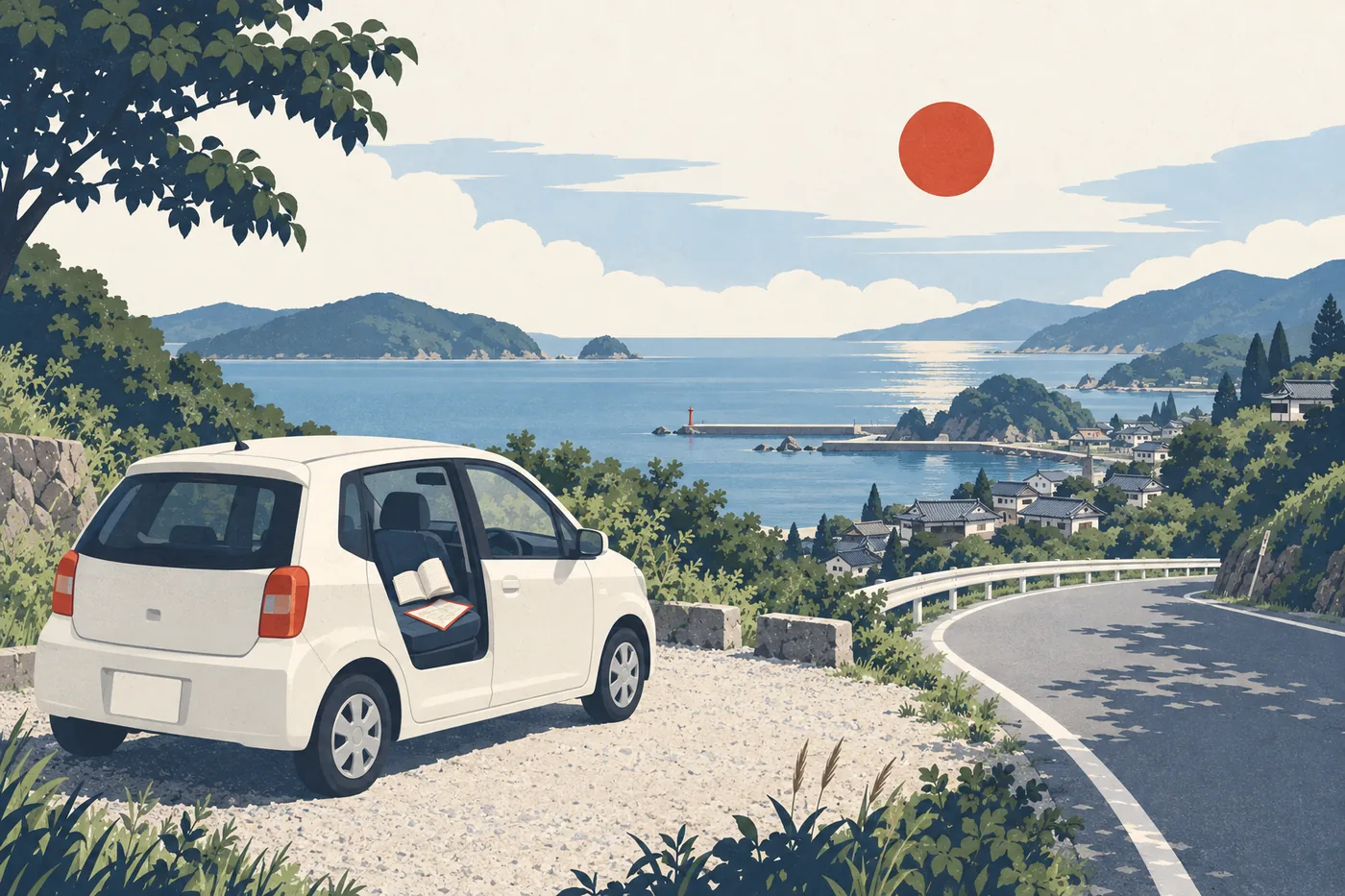
International Driving Permit or Translation for Japan | Which One You Need, How Long You Can Drive, Getting a Translation from JAF, and Road Rules

To drive in Japan, travelers need either an International Driving Permit under the 1949 Geneva Convention, or a driver's license from one of six designated countries and regions together with a Japanese translation. Based on official information from the National Police Agency and JAF (Japan Automobile Federation), this guide covers the countries and regions whose licenses can be used with a translation (Switzerland, Germany, France, Belgium, Monaco and Taiwan), how long you can drive, how to get a translation from JAF and what it costs, and what to watch for on Japanese roads.

Read more →
Itinerary

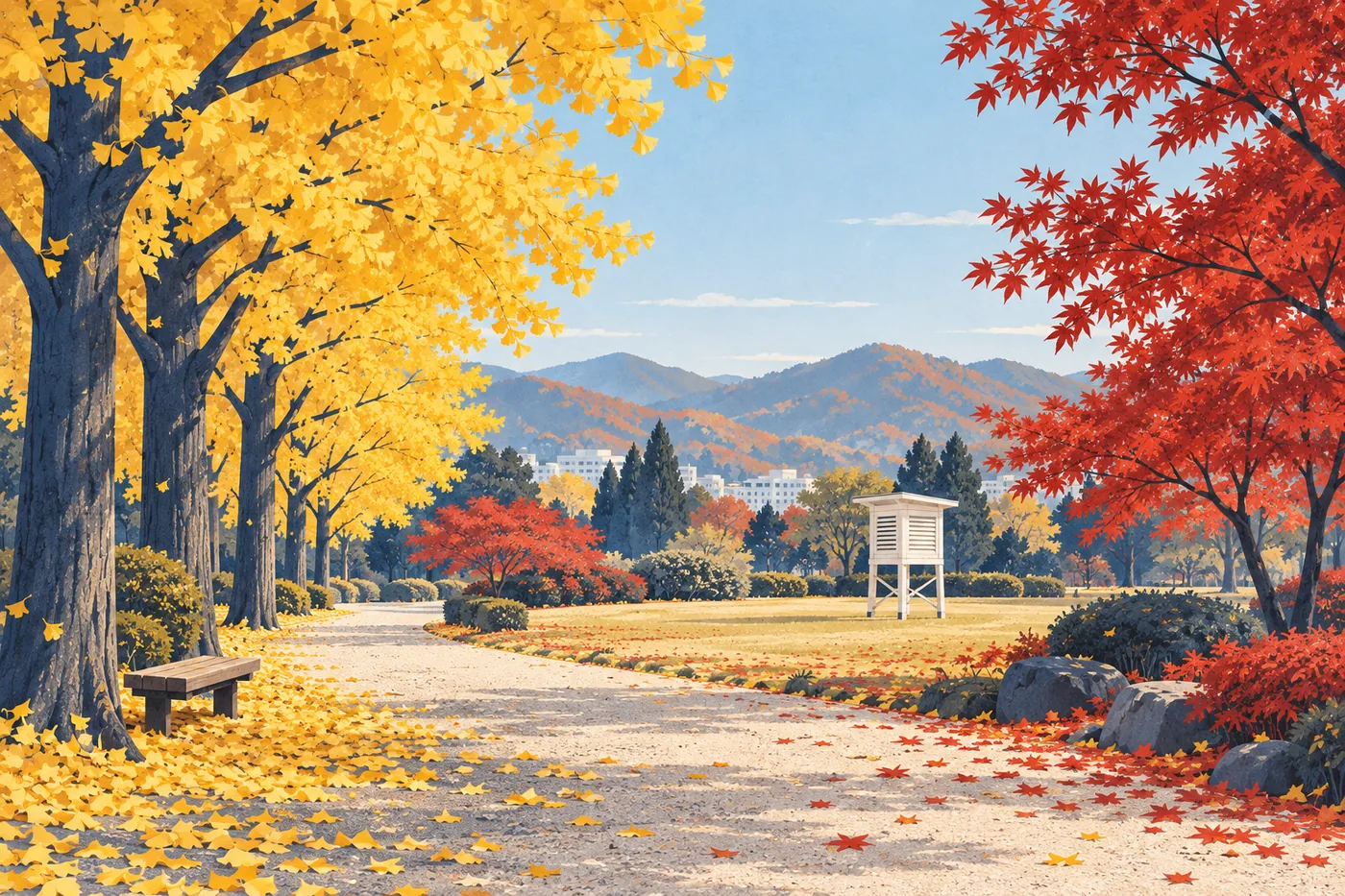
Autumn Leaves Season in Japan | Maple Red-Leaf Dates, Ginkgo Yellow-Leaf Dates and Leaf-Fall Dates Compared by Location Using Japan Meteorological Agency Normals (15 Locations Including Tokyo, Kyoto, Osaka and Sapporo), 2025 Observation Dates and How to Check the 2026 Observation Dates

This article compares the autumn leaves season in Japan by location, using observations by the Japan Meteorological Agency (JMA). For 15 locations including Tokyo, Kyoto, Osaka and Sapporo, tables show the normals (averages for 1991 to 2020) of the maple red-leaf date, the ginkgo yellow-leaf date and the leaf-fall dates, together with the 2025 observation dates. It also explains what the JMA's "red-leaf date" means, and the official pages where you can see the 2026 observation dates and forecasts.

Read more →
Itinerary

Japan Winter Weather and Temperatures | December, January and February Normals by Location (Tokyo, Osaka, Kyoto, Sapporo, Kawaguchiko, Naha in Okinawa), Days with Snow or Sleet and Sunset Times

Compare winter (December to February) temperatures and snow in Japanese cities using the normals (averages for 1991 to 2020) of the Japan Meteorological Agency (JMA). Monthly tables show the average high and average low and days with snow or sleet for Sapporo, Nagano, Kawaguchiko, Kanazawa, Tokyo, Kyoto, Osaka, Hiroshima, Fukuoka and Naha, and the article also explains total snowfall depth and sunset times calculated by the National Astronomical Observatory of Japan (NAOJ).

Read more →
Itinerary

Japan Public Holidays 2027 and Busy Periods | New Year, Golden Week, Obon, 3-Day Weekends, Shinkansen Busy Seasons and All-Reserved Nozomi

Japan has 17 national holidays and substitute holidays in 2027. Based on official information, this article covers the 2027 holiday list published by the Cabinet Office, the 6-day New Year break and the 5-day break from May 1 to 5, the dates of 3-day weekends, JR's peak season and busy season when reserved-seat charges go up, the all-reserved Nozomi from December 25, 2026 to January 5, 2027, and New Year closures of government offices and banks.

Read more →