Omoide Yokocho Guide (Shinjuku Nishiguchi Omoide Yokocho) | Getting There from Shinjuku Station, Bringing Cash, Shop-by-Shop Rules, and How It Differs from Golden Gai
Omoide Yokocho is a set of narrow alleys lined with small yakitori and other eateries, right by the West Exit of Shinjuku Station. Based on official information, this guide explains how to get there, why to bring cash, how each shop sets its own rules on seating charges, ordering and time limits, the shared restrooms, the ban on smoking in the alleys, the rules on photography, and how it differs from Golden Gai.
Ad · Affiliate This article contains links to partner booking and shopping pages (affiliate links). If you book or buy through these links, the site operator may receive a commission from the partner. Our advertising policy
Overview
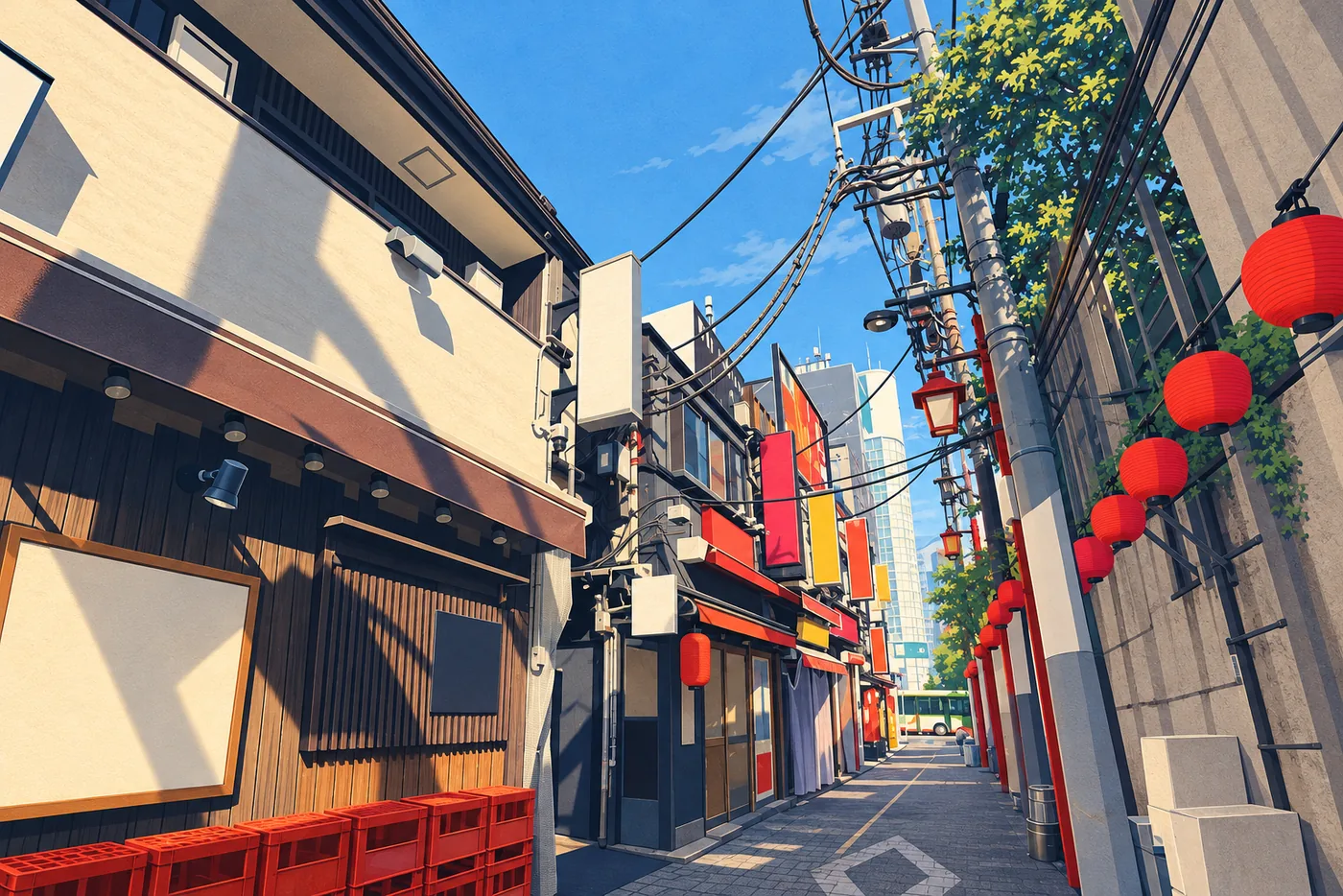
Omoide Yokocho (Shinjuku Nishiguchi Omoide Yokocho) is an area of alleys lined with places to eat and drink, right by the West Exit of Shinjuku Station in Tokyo. Small yakitori shops and other eateries stand on both sides of alleys so narrow that two people can barely pass each other.
- According to Tokyo's official tourism website, most of the shops are only big enough to seat about 5 to 6 people.
- The alleys are run by the Shinjuku Nishiguchi Shopping District Promotion Association (called "the association" in this article). The association's official website has a guide for first-time visitors.
- Many buildings put up in the years just after World War II still stand in the alleys. The association says the shops still keep the way of doing business from the Showa era.
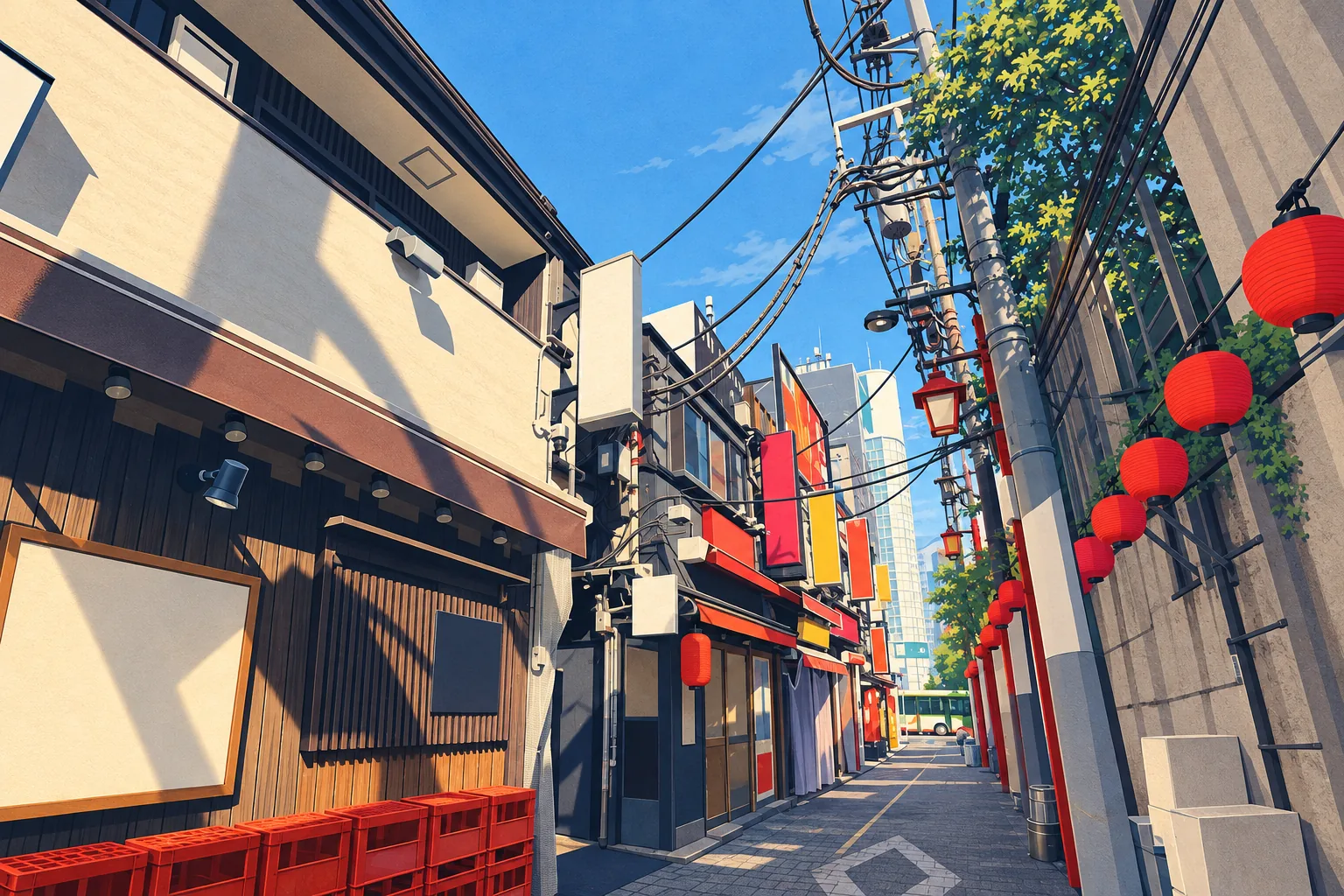
This is one of the narrow alleys of Omoide Yokocho. Red paper lanterns and menu boards line the fronts of the shops.
Getting there
According to Tokyo's official tourism website, Omoide Yokocho is a 2-minute walk from Shinjuku Station. It is on the West Exit side of Shinjuku Station.
- Shinjuku Station is served by JR lines, the Odakyu Line, the Keio Line, and the Tokyo Metro Marunouchi Line. The association's official website also lists Seibu-Shinjuku Station on the Seibu Shinjuku Line and Shinjuku-nishiguchi Station on the Toei Oedo Line as nearby stations.
- Tokyo's official tourism website lists the green signs and the red paper lanterns as landmarks to look for.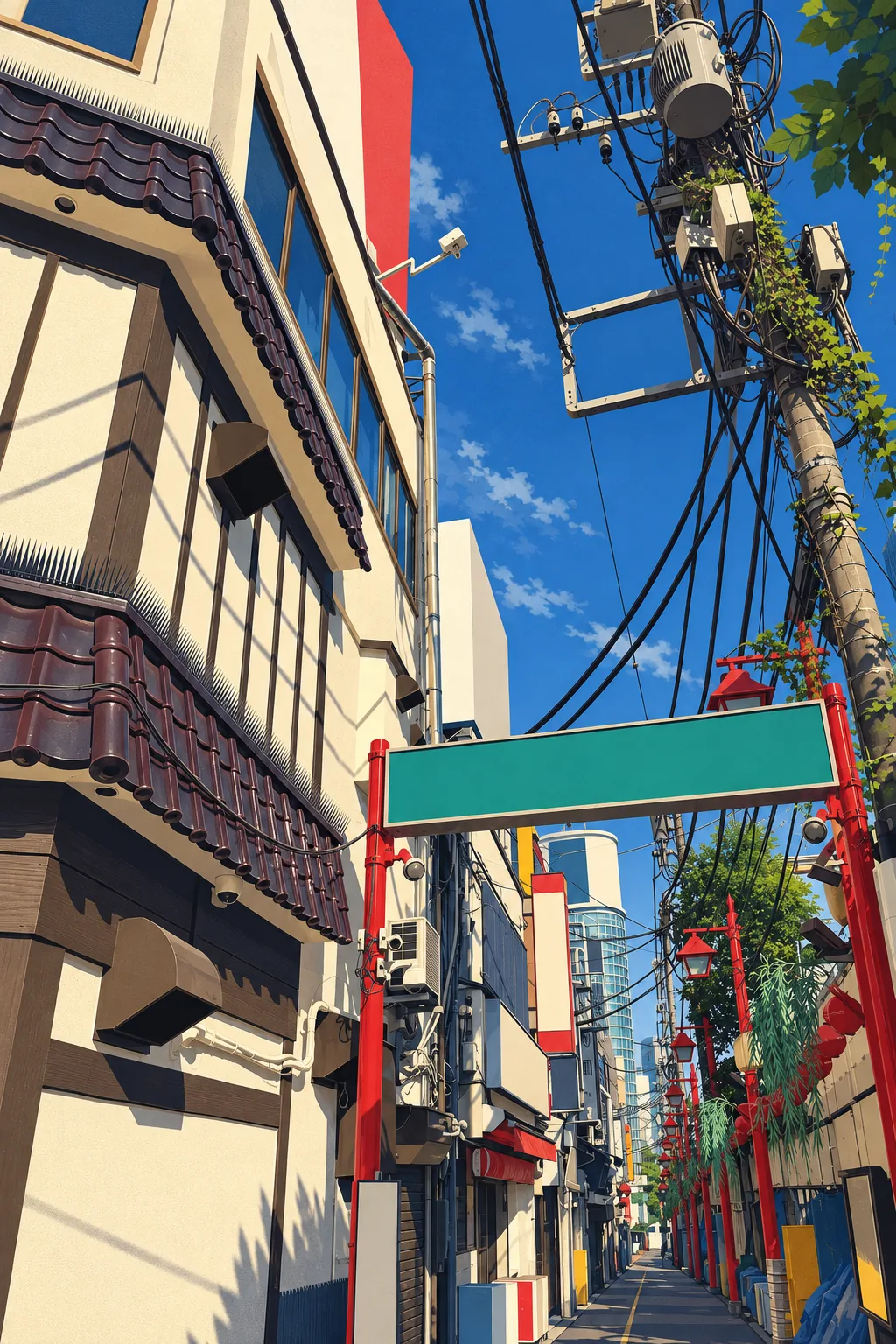
This is one of the entrances to the alleys. The illustration leaves out the writing on the sign, but the sign at the real entrance shows the name of Omoide Yokocho.
- Busta Shinjuku, the highway bus terminal, is on the South Exit side of Shinjuku Station. For details, see How to Use Busta Shinjuku | 4F Boarding Bays and Ticketing Counter, Getting There from Shinjuku Station, Coin Lockers, and Waiting Room Hours.
Step by step
Bring cash
According to the association's official website, as of April 2021, about 60% of all the shops accepted cash only. Some shops do not accept credit cards or e-money, so bring cash with you. How to withdraw cash is explained in Do You Need Cash in Japan? | Where Cards Work, ATMs That Accept Overseas Cards, and Currency Exchange.
Check each shop's rules
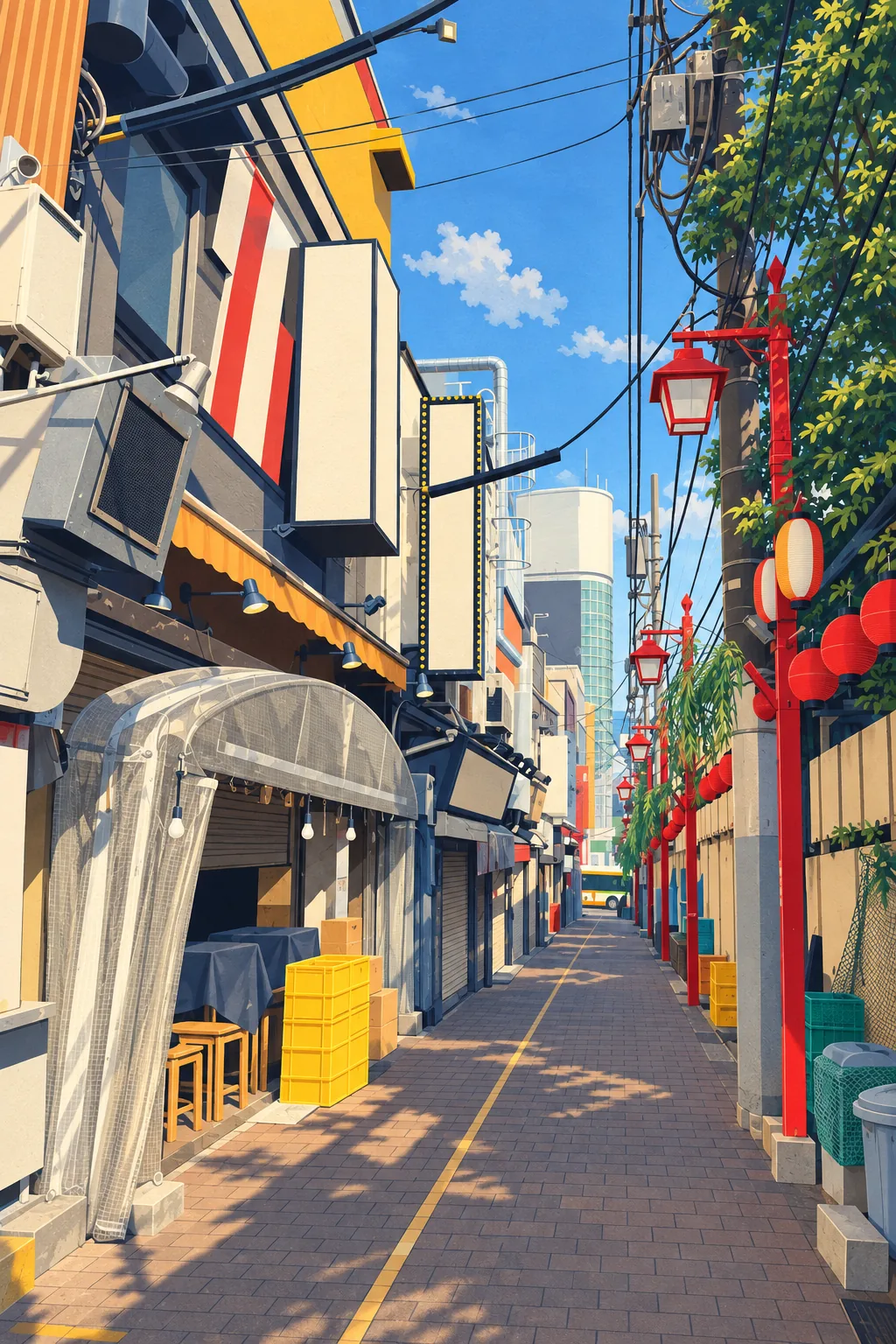
According to the association's guide, shops have rules like the following, which differ from shop to shop.
- Some shops charge each person for otoshi (a small dish served when you take your seat) as a seating charge.
- Some shops ask each person to order one dish and one drink when they enter.
- Some shops set how long you can stay, such as 90 minutes per group.
- Some shops serve food as set courses only, and some limit each person to 3 alcoholic drinks.
Before you go in, ask the staff about the shop's rules. Seating charges and otoshi are also explained in Do You Tip in Japan? | Restaurants, Taxis, Hotels, Ryokan and Guides, plus Service Charges, Otoshi and Consumption Tax.
Shared restrooms
According to the association's guide, shops on Naka-dori, the lane running through the middle of the alleys, have no restroom inside. Customers and staff use shared restrooms. Because they can get crowded, the association recommends going to the restroom early.
Good to know
Smoking and fire
- According to the association's guide, smoking is not allowed in the alleys, except inside shops where smoking is permitted.
- On November 24, 1999, a fire broke out in the alleys and burned about one-third of them. The association has made November 24 "Omoide Yokocho Day" and every year holds a fire drill across the whole area during the daytime on that day.
Rules on photography
- Under the association's filming rules, you must apply in advance and get permission to film inside the alleys. An application to the association is required even when filming only inside a shop.
- The association says it charges a filming fee on the spot to people who film without permission. This does not mean that you may film without permission as long as you pay.
The illustrations of Omoide Yokocho in this article are AI-generated images. They are shown in place of photos because this is a place where permission is required to film. They differ from the real place in the small details.
Comparison
Besides Omoide Yokocho, Shinjuku has another area of bars, Shinjuku Golden Gai, on the East Exit side of Shinjuku Station.
| Omoide Yokocho | Shinjuku Golden Gai | |
|---|---|---|
| Location | West Exit side of Shinjuku Station | East Exit side of Shinjuku Station (next to Kabukicho) |
| Shops | Mainly yakitori shops and other eateries | Mainly small bars |
| Payment | Many shops accept cash only (association's guide, 2021) | Differs by shop |
| Photography | Permission from the Omoide Yokocho association required (fee charged) | Permission from the Golden Gai association required (fee charged) |
Golden Gai is explained in Shinjuku Golden Gai Guide | Getting There from Shinjuku Station, Opening Hours, Cover Charges, Area Rules, and Photography Rules.