How to Buy Food and Drinks at Japanese Convenience Stores | Popular Items from Each Chain, Hot Snacks, Coffee and Smoothies, Heating, Eat-In Tax, Alcohol (7-Eleven, FamilyMart, Lawson)
Based on each chain's official information, this article explains the items that Japan's three major convenience store chains (7-Eleven, FamilyMart, and Lawson) introduce to travelers, hot snacks such as Nanachiki, Fami-Chiki, and KARAAGE-KUN, and how to buy coffee and smoothies. It also covers heating bento boxes, the tax when you eat in the store's eat-in area, age checks when buying alcohol, and allergen labels.
Ad · Affiliate This article contains links to partner booking and shopping pages (affiliate links). If you book or buy through these links, the site operator may receive a commission from the partner. Our advertising policy
Overview
Japanese convenience stores (konbini) sell rice balls (onigiri), sandwiches, bento boxes, bread, sweets, ice cream, cup noodles, and drinks. This article explains how to choose and buy food and drinks at the stores of the three major chains (7-Eleven, FamilyMart, and Lawson), based on each chain's official information (checked on October 11, 2026).
- All three chains introduce their own popular or recommended items on pages for travelers (see the table below).
- If you ask the staff at the register, they will heat bento boxes and similar items in the store's microwave. Some items cannot be heated in the store.
- “Hot snacks” such as fried chicken are displayed in a case next to the register. There are items you order from the staff at the register and items you take yourself.
- If you eat what you bought in the store's eat-in area, the tax rate is higher than when you take it out.
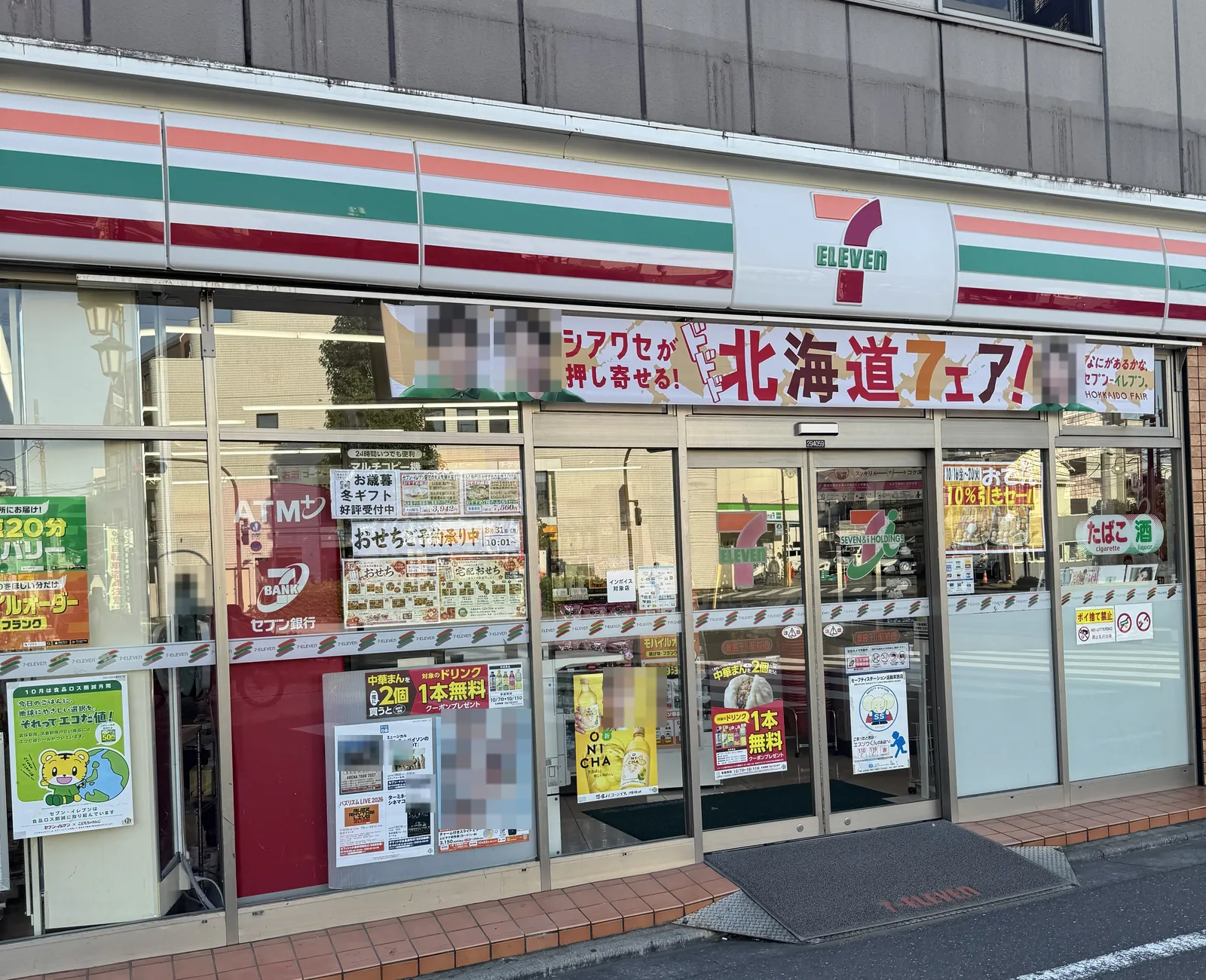
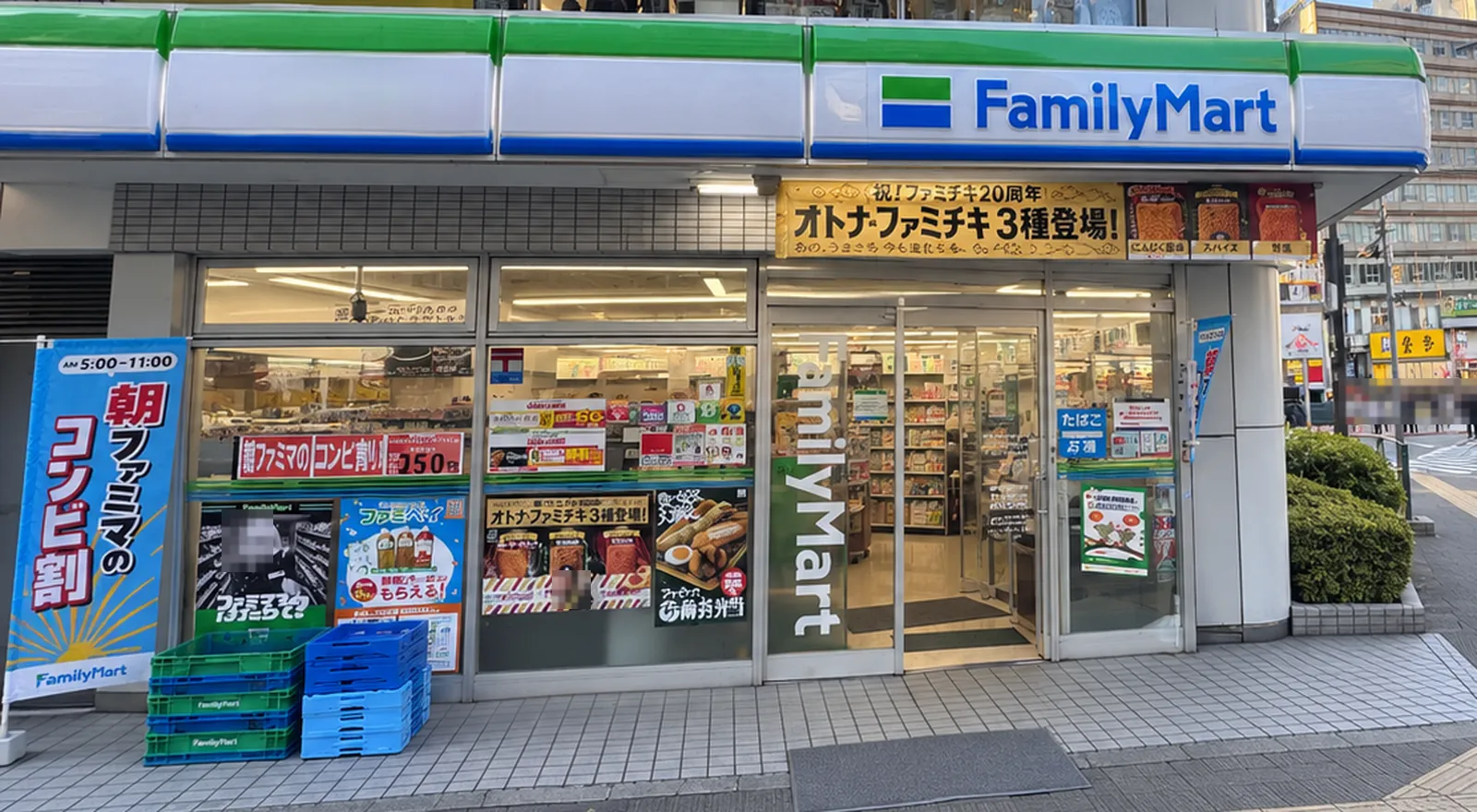
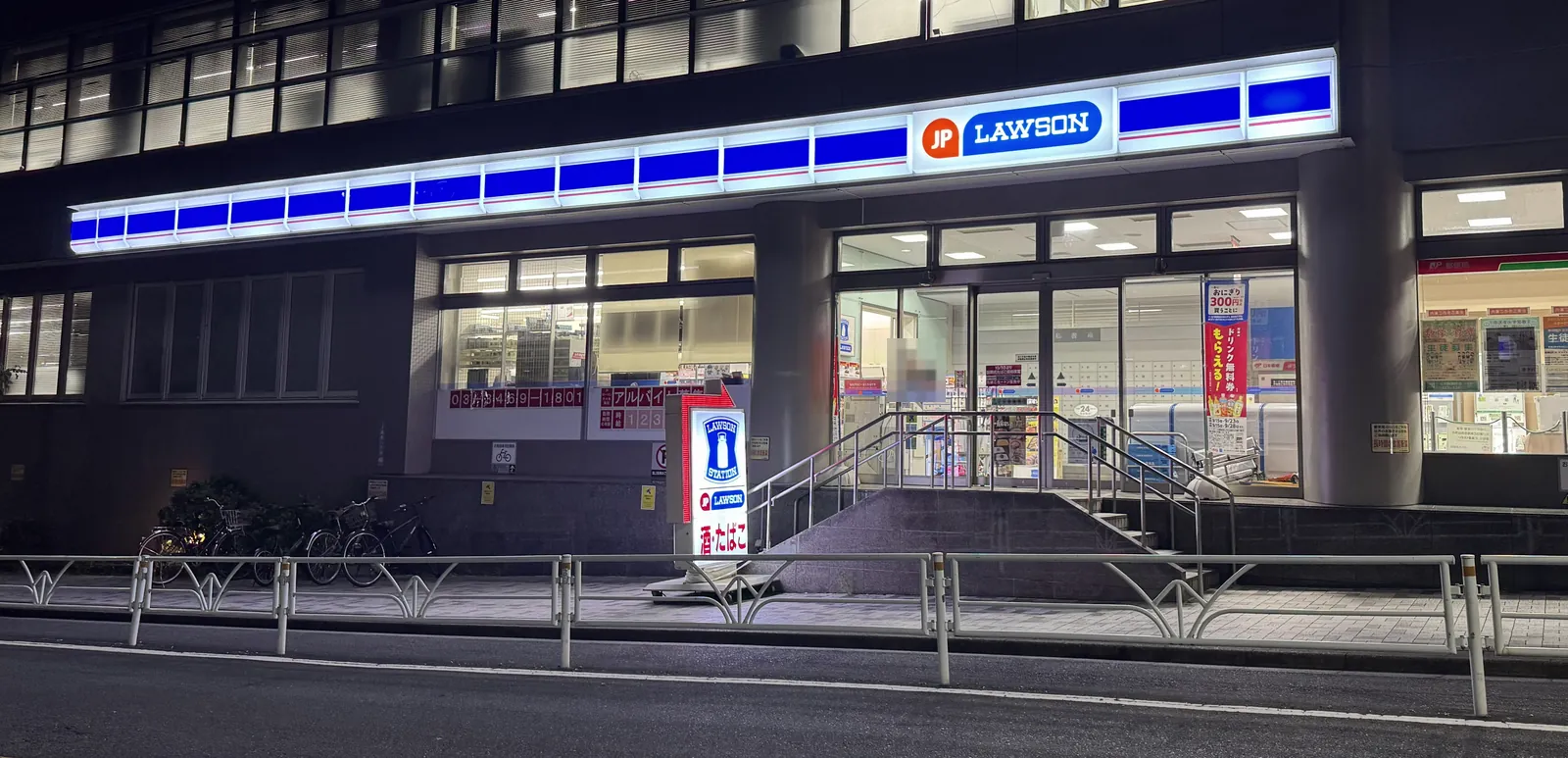
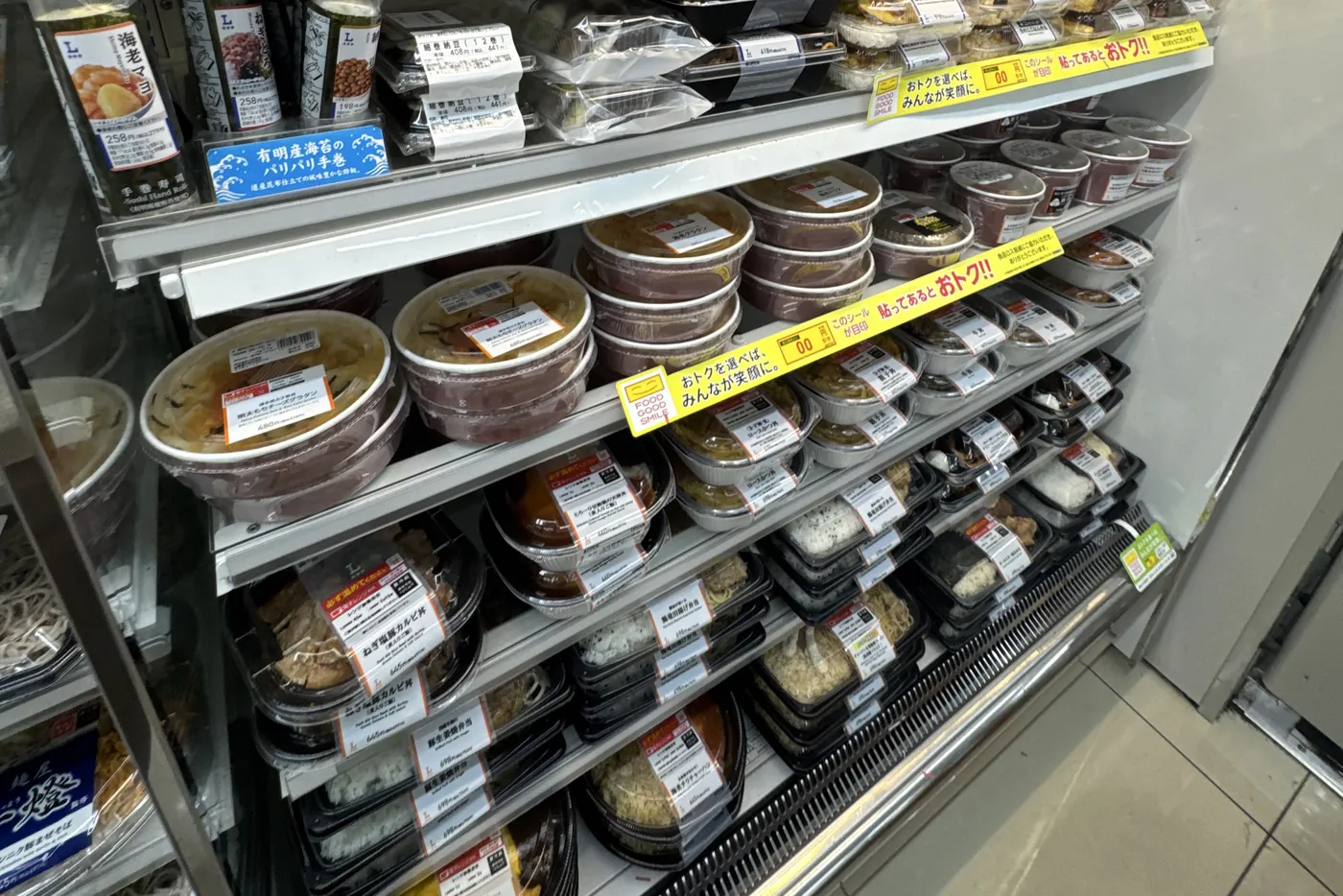
The photos above, taken by the site operator, show the fronts of stores of the three chains. The photos of sections in this article are an example taken in a Lawson store. Items, prices, and sections differ by store, region, and season, and may change.
What to buy
Items Each Chain Introduces
The pages for travelers of the three chains introduce the following items (checked on October 11, 2026).
| Convenience store | Items introduced on the page for travelers |
|---|---|
| 7-Eleven | As “popular items”: tuna mayonnaise rice balls, egg sandwiches, smoothies, and Nanachiki |
| FamilyMart | Fami-Chiki, FAMIMA CAFÉ coffee and frappés, egg sandwiches, milk, soufflé pudding, seasoned soft-boiled eggs, and rice balls made with Spam |
| Lawson | KARAAGE-KUN, MACHI café coffee and café lattes, and Uchi Café sweets (roll cakes and dorayaki) |
Nanachiki, Fami-Chiki, and KARAAGE-KUN are all hot snacks of fried chicken. How to buy them is explained below in “Buying Hot Snacks.”
Examples of Store Sections
The photos of sections below were taken in a Lawson store. Stores of the other two chains have similar kinds of sections.
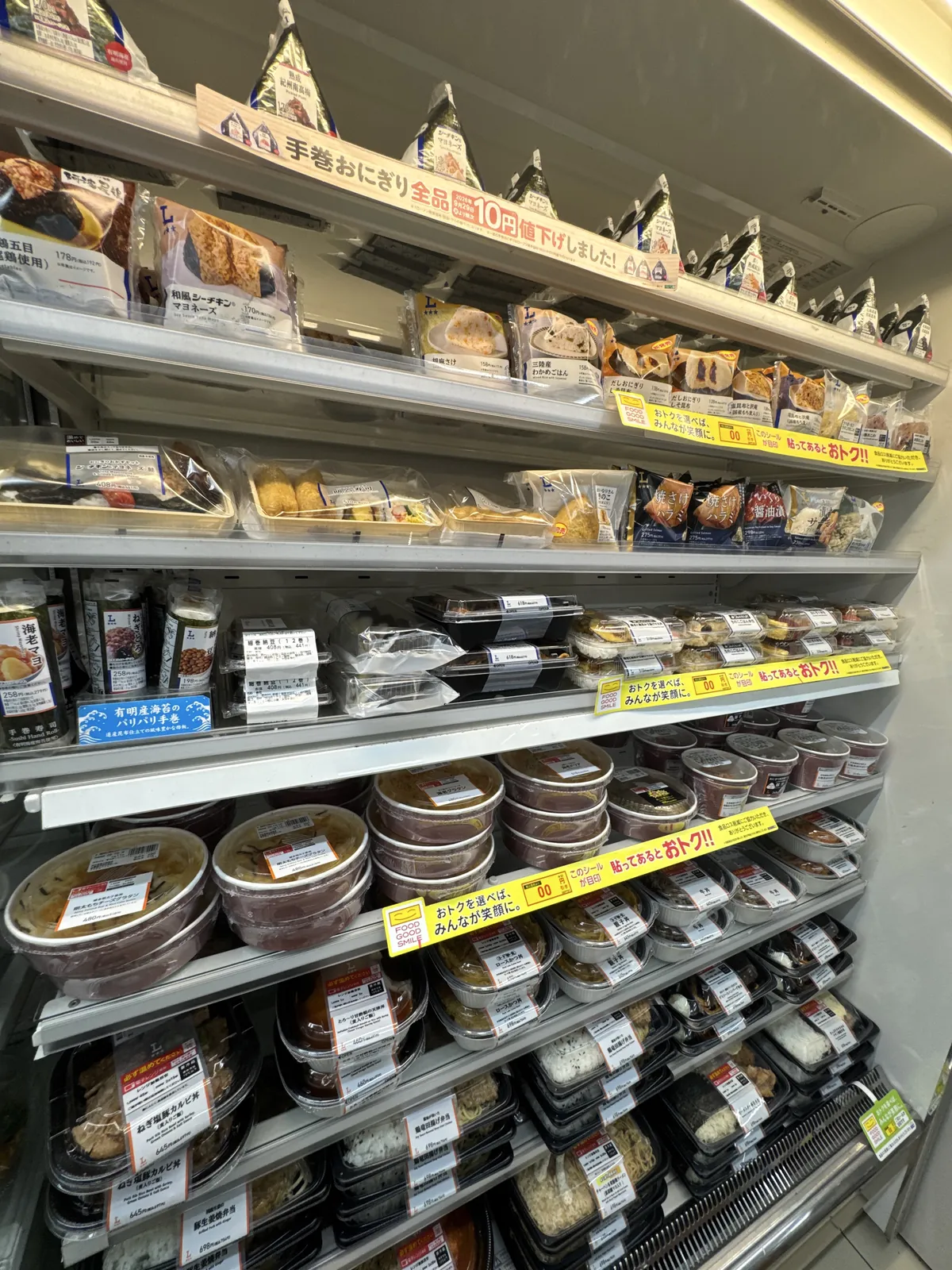
- Rice balls, bento boxes, and noodles: A rice ball is rice with a filling inside, wrapped in nori (dried seaweed). Bento boxes, noodles, and ready-made side dishes are displayed on refrigerated shelves. If you want them heated, tell the staff when you pay.
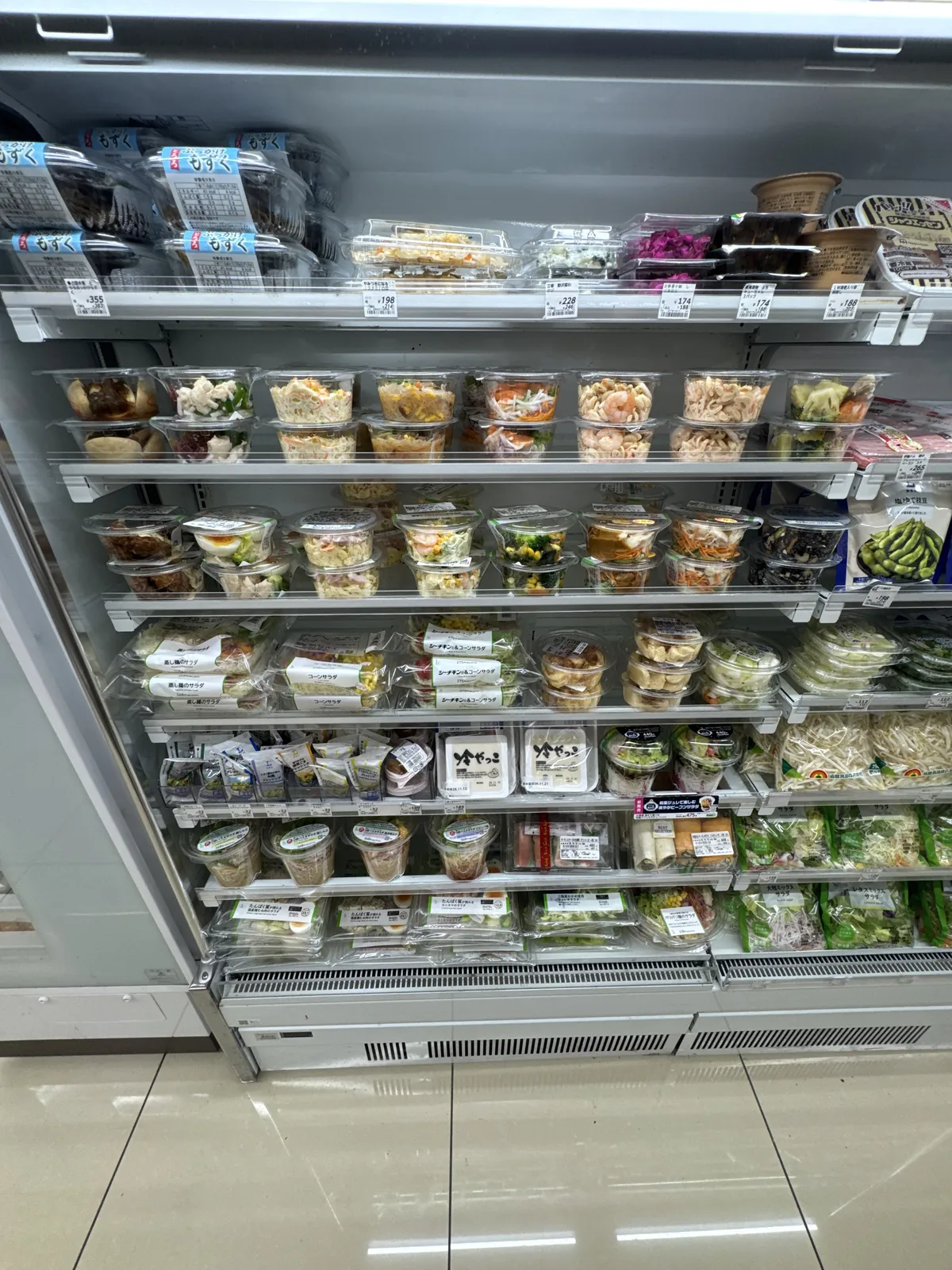
- Salads and ready-made side dishes: Salads and side dishes in cups and bags are displayed on refrigerated shelves.
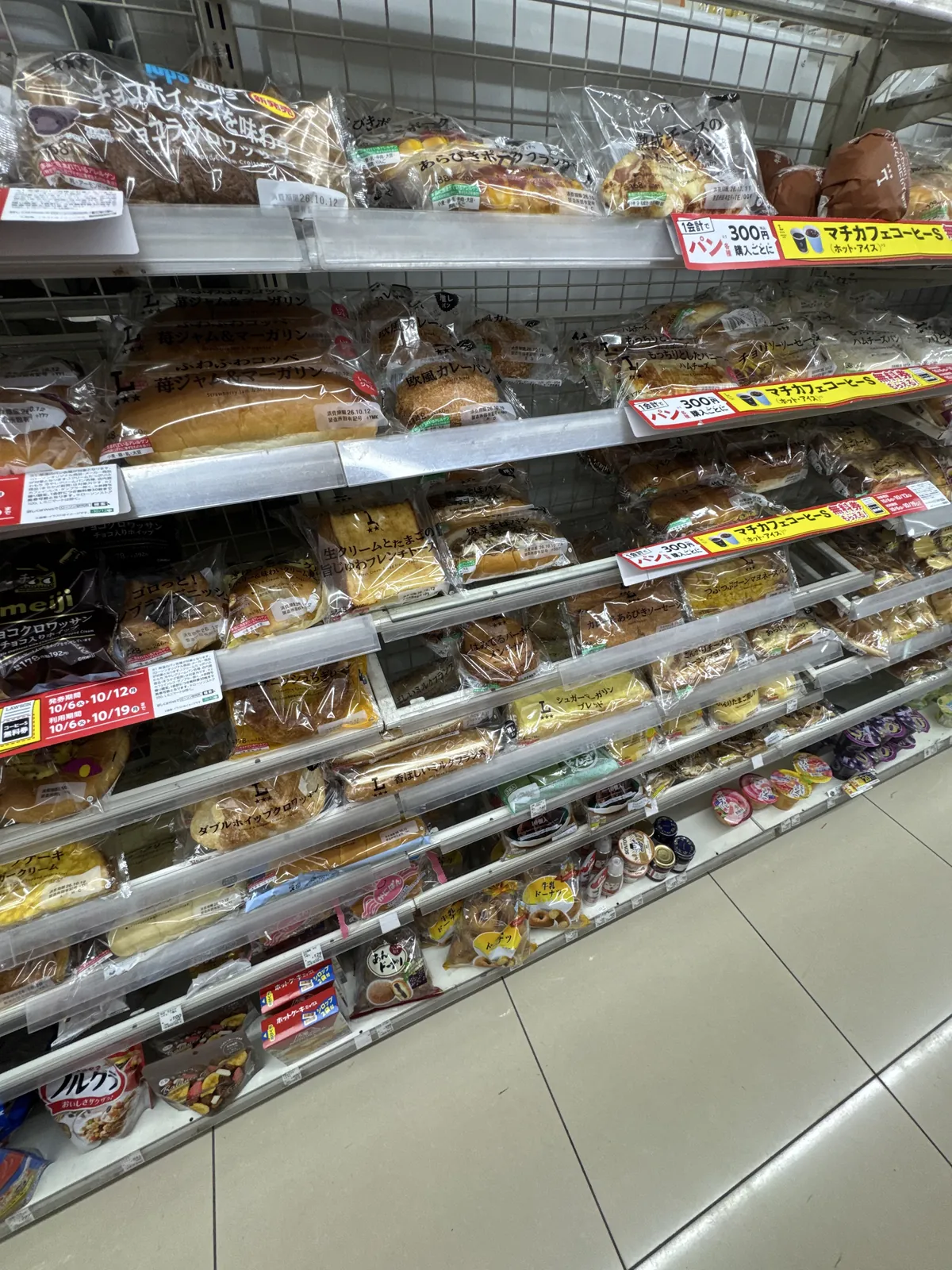
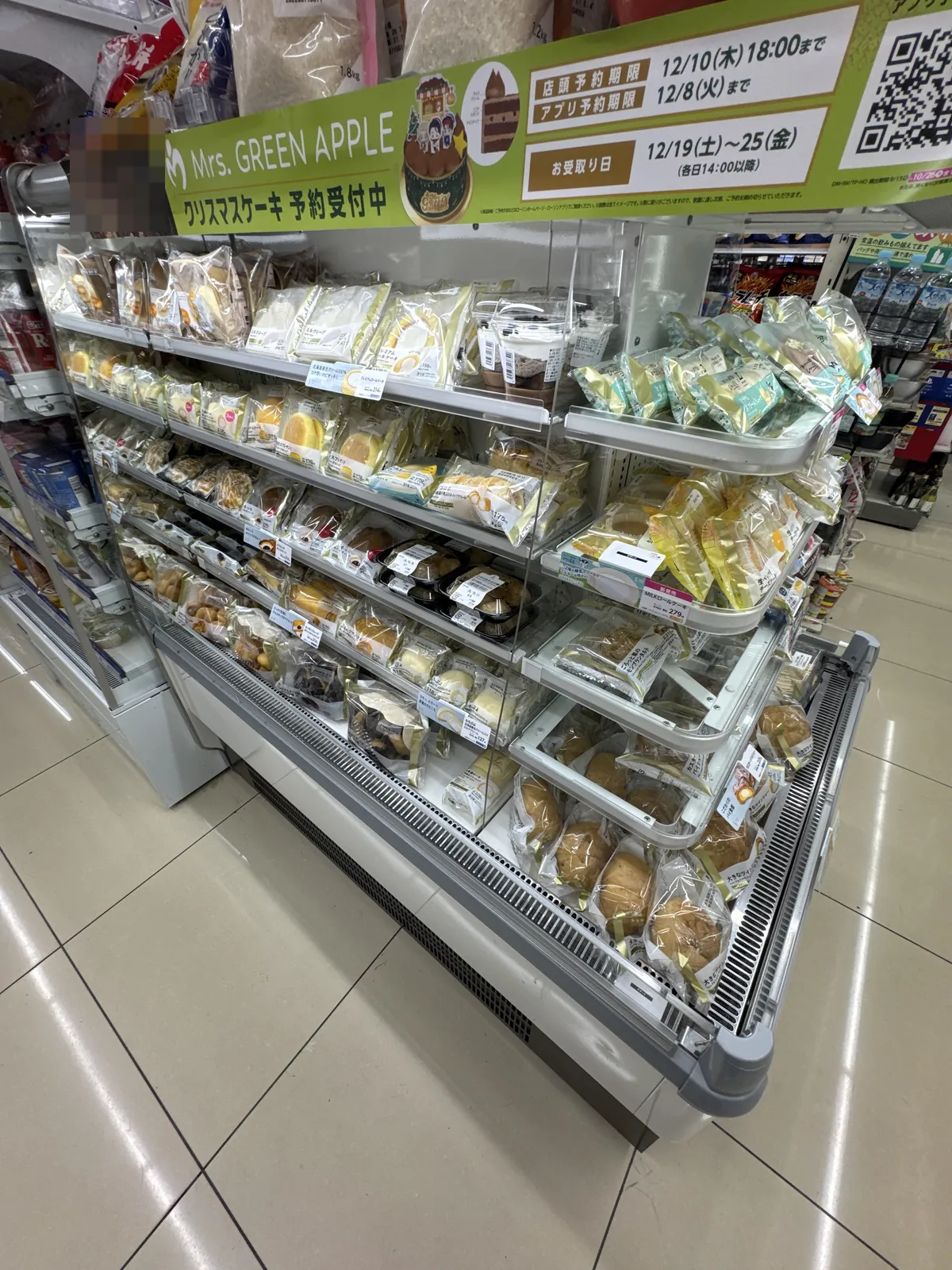
- Bread and sweets: Bread is on room-temperature shelves, and sweets such as cakes and cream puffs are on refrigerated shelves.
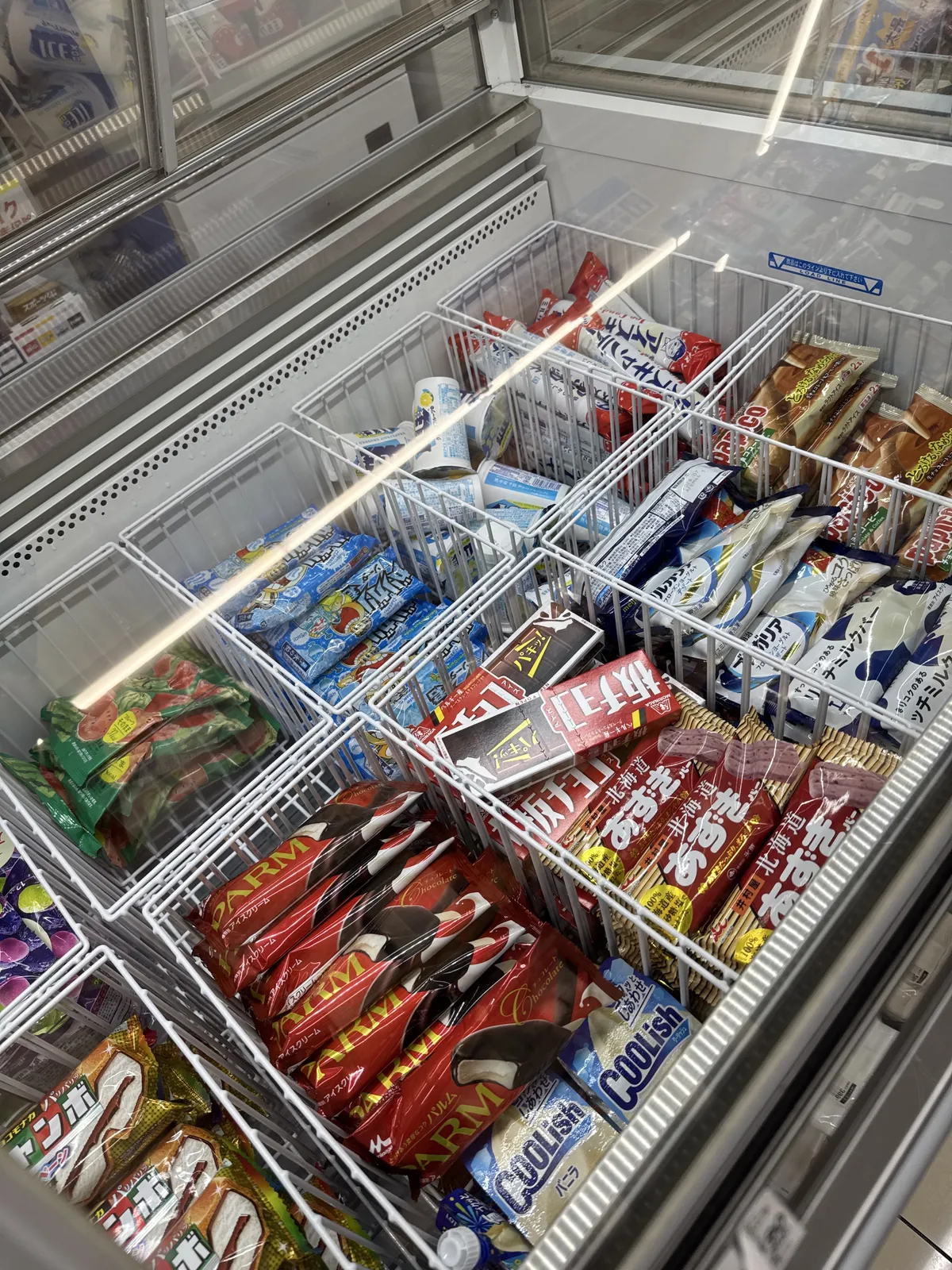
- Ice cream: It is displayed in a freezer case.
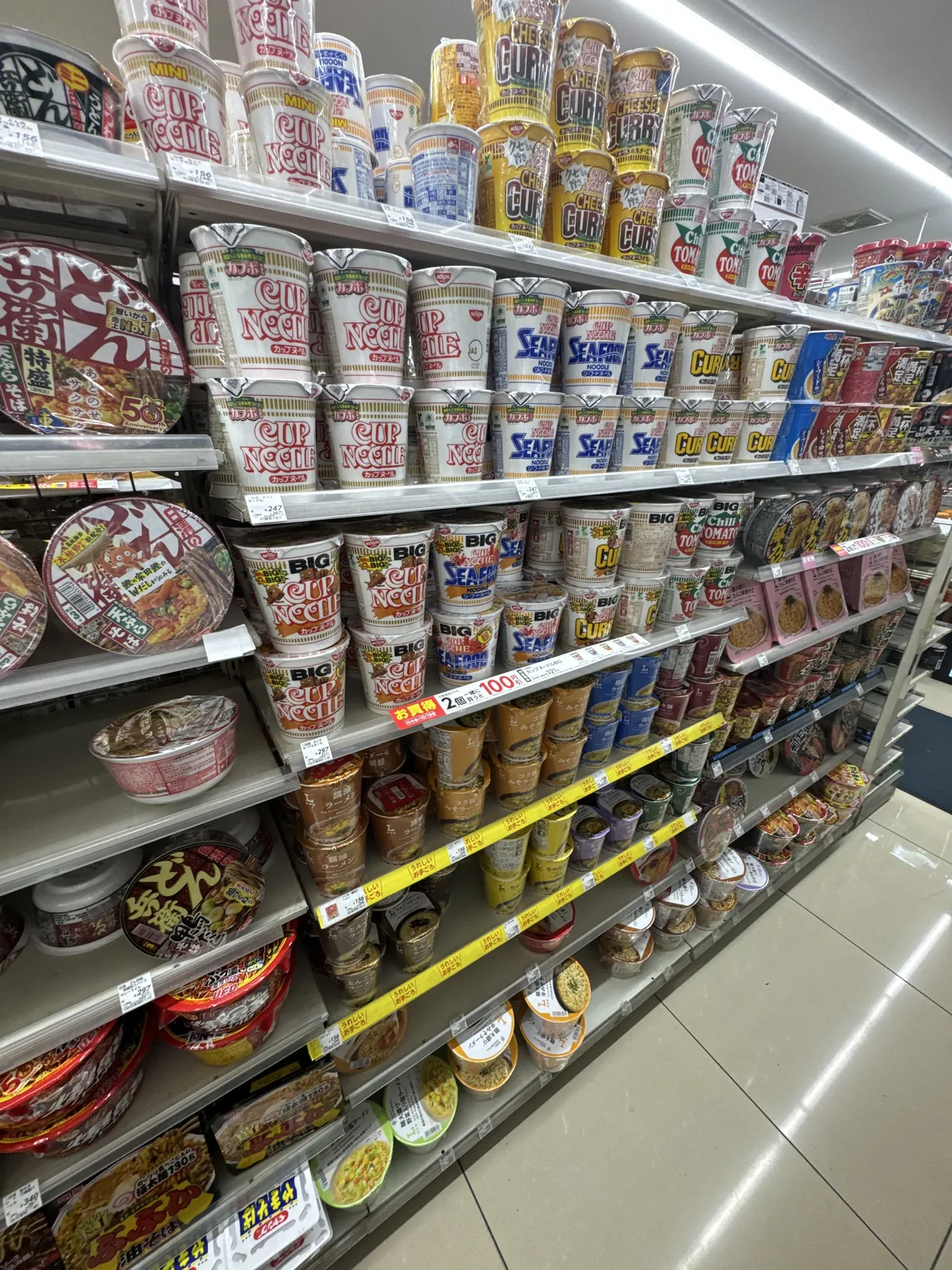
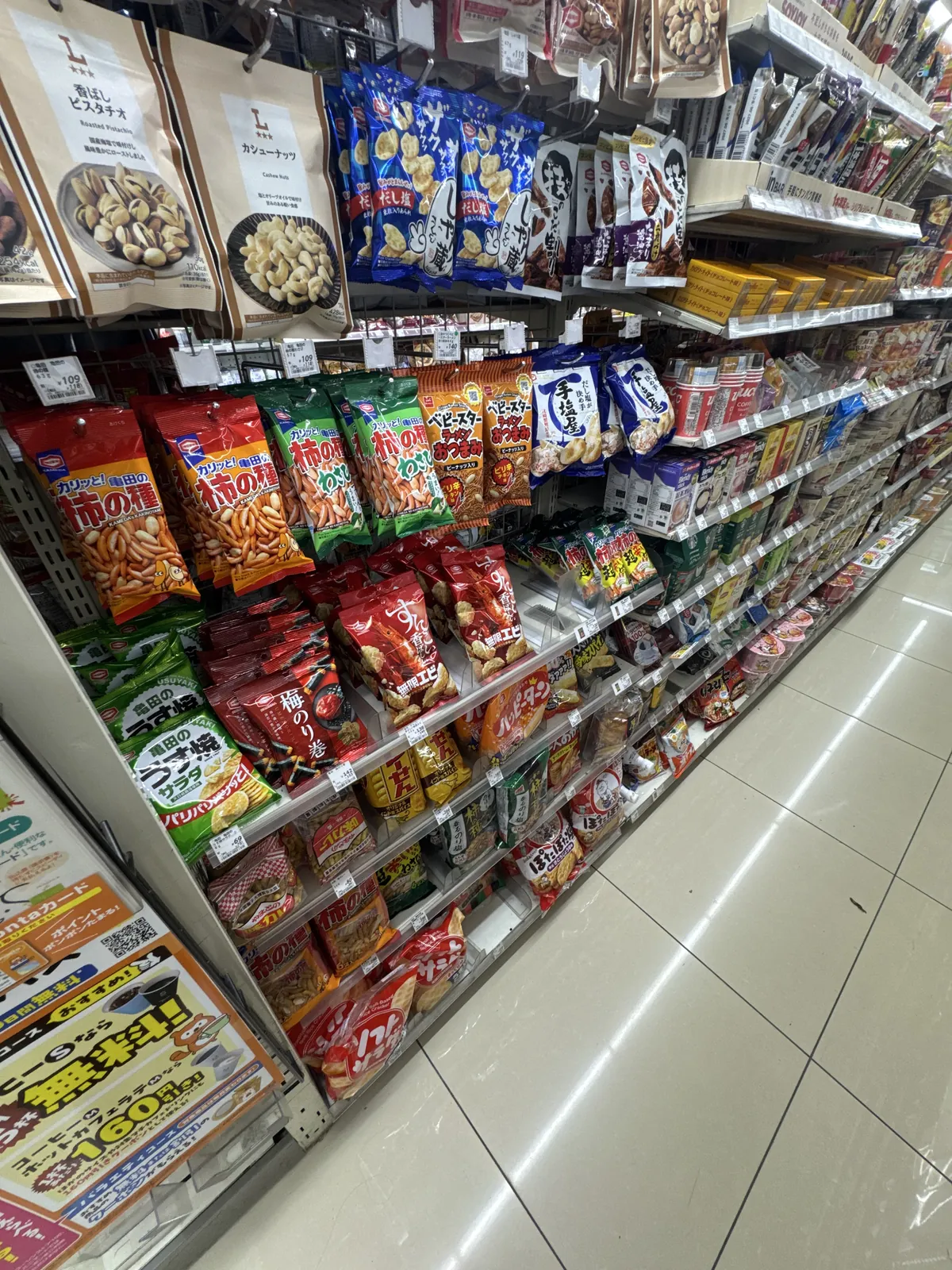
- Cup noodles and snacks: There are shelves for cup noodles, and shelves for chips and other packaged snacks, senbei (rice crackers), and nuts.
Step by step
Buying Hot Snacks
- Warm foods such as fried chicken, frankfurters, and yakitori (grilled chicken skewers) are displayed in a case next to the register. FamilyMart says that you order Fami-Chiki from the staff at the register.
- Lawson's video on how to buy fried foods explains three types separately: items in bags, items not in bags, and items customers cannot take by themselves. Depending on the item, you either take it yourself or ask the staff for it.
- The selection of hot snacks differs from store to store (according to 7-Eleven).
| Item | Convenience store | Official description |
|---|---|---|
| Nanachiki | 7-Eleven | Thick fried chicken seasoned with 11 kinds of spices |
| Fami-Chiki | FamilyMart | Boneless fried chicken launched in 2006 |
| KARAAGE-KUN | Lawson | Karaage (Japanese fried chicken) launched in 1986, with 5 pieces per pack. There are several flavors. Not sold at NATURAL LAWSON stores |
Buying Coffee
You buy FamilyMart's FAMIMA CAFÉ coffee with the following steps (according to FamilyMart).
- For hot coffee, order at the register and receive a cup. For iced coffee, take an iced coffee cup from the freezer case and pay at the register.
- For both hot and iced coffee, place the cup in the coffee machine and press the touch panel.
- At 7-Eleven's SEVEN CAFÉ, customers also operate the machine themselves. Some machines are operated with a touch panel and others with buttons.
- For Lawson's MACHI café, there are stores where you order at the register, receive a cup from the staff, and place it in the machine yourself, and stores where the staff make the drink at the counter (MACHI café+).
- At FAMIMA CAFÉ, you cannot have coffee poured into a container you bring yourself.
Buying Smoothies (7-Eleven)
- Take a smoothie cup from the freezer case and pay at the register.
- After paying, scan the barcode on the cup with the machine.
- Peel off the film on the cup and place the cup in the machine. It is ready about 70 seconds after you place it.
Some stores do not sell smoothies.
Checkout and store
Heating, Chopsticks, and Trash
- Heating: At the register, you may be asked whether you want bento boxes and similar items heated. Even if you are not asked, the staff will heat them in the store's microwave if you ask. At 7-Eleven stores, the items heated in the store are those whose package shows a guideline heating time for a 1,500W microwave. As a rule, items that show only heating times for home microwaves are not heated in the store.
- Chopsticks, spoons, and forks: If you need them, ask when you pay.
- Trash: FamilyMart asks customers to put only trash from items bought at that store into the store's trash bins, and to take other trash with them. Some stores do not have trash bins (according to 7-Eleven).
Eating in the Store
- Only some stores have an eat-in area (seats for eating inside the store).
- The tax rate on food and drinks (except alcohol) that you take out is 8%. If you buy items at the store and eat them in the eat-in area, it becomes 10% (according to the National Tax Agency and 7-Eleven).
- If you will eat in the eat-in area, tell the staff when you pay. Some stores have signs such as “Please let us know if you will use the eat-in area.”
Good to know
Buying Alcohol
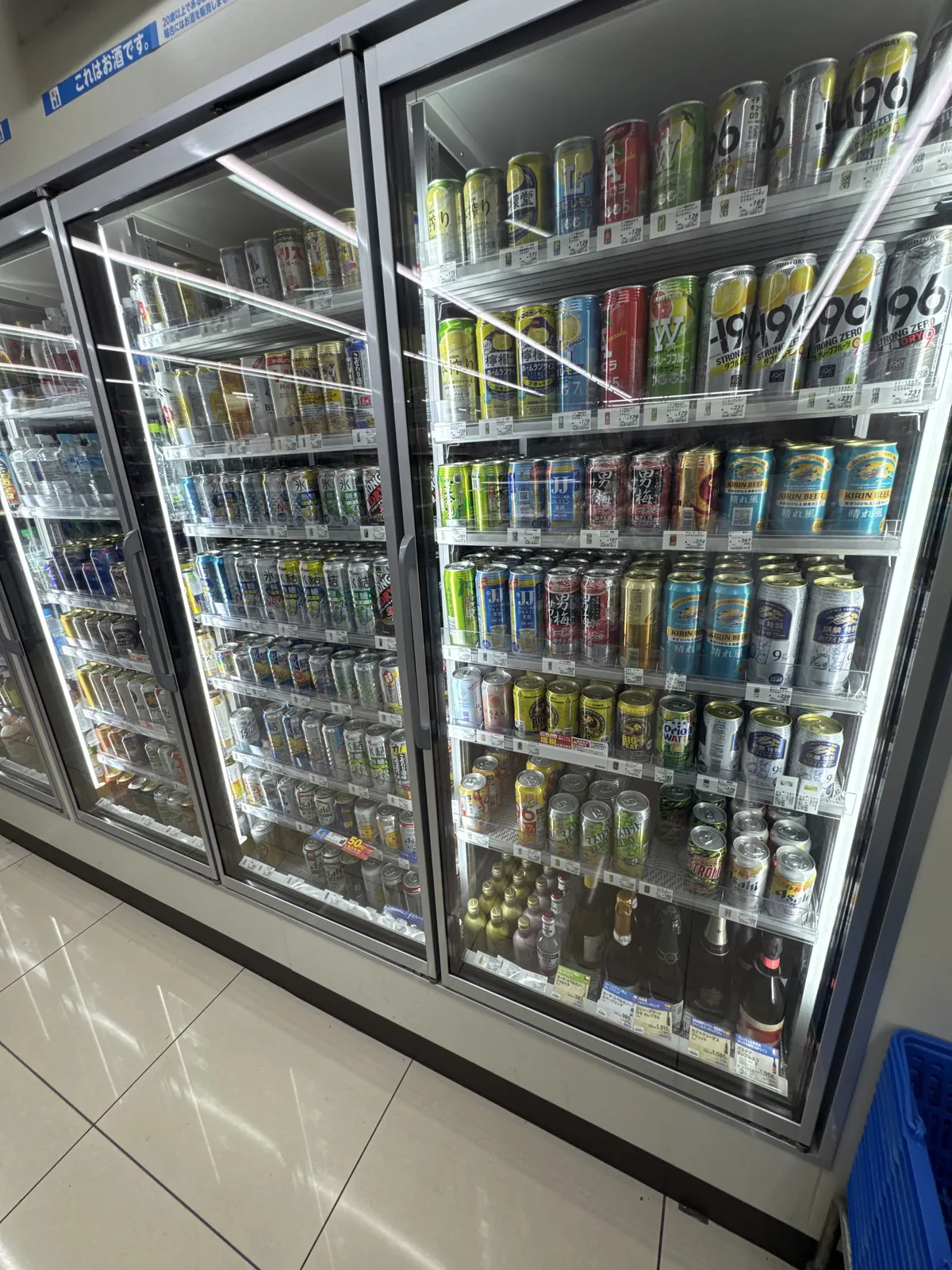
- In Japan, the law prohibits people under 20 from drinking alcohol.
- When you buy alcohol, press the age confirmation button on the screen at the register.
- You may be asked to show a document that confirms your age. For age confirmation, 7-Eleven accepts only original documents with a photo of your face, and a passport is one of them. Copies and photos of documents are not accepted.
- The tax rate on alcohol is 10% even when you take it out.
Allergen Labels
- Allergen labels on packaged foods are written in Japanese. What Japanese law requires on food packages is labeling in Japanese; it does not require labeling in other languages (according to the Consumer Affairs Agency).
- Foods sold without a container or package, such as the fried foods next to the register, are not covered by the legal allergen labeling (according to the Consumer Affairs Agency).
- Lawson asks customers to check an item's allergen information before buying.
Tax-Free Shopping and Medicines
- At all three chains, only some stores offer tax-free purchases. Japan's tax-free system changes on November 1, 2026. Tax-free procedures are explained in Tax-Free Shopping in Japan | The Refund Method from November 2026 and What to Do When You Leave Japan.
- Only some stores sell medicines. On 7-Eleven's store search, you can find stores that sell medicines by selecting “薬” (medicines).